
The striking charm of the zebra haworthia lies in its compact, rosette-shaped form adorned with white tubercles that contrast beautifully against dark green leaves. If you’ve ever wanted a low-maintenance yet visually captivating succulent plant, the haworthia attenuata—often referred to as the zebra plant—offers just that. Known for its resilience, this stemless succulent thrives in bright light and adapts well to indoor environments, making it a popular choice for both beginners and seasoned gardeners.
To keep your zebra haworthia healthy, understanding its water needs and soil preferences is crucial. Overwatering can quickly lead to root rot, while allowing the soil to dry completely between watering supports strong growth. Using a well-draining potting mix, ideally enriched with perlite or pumice, and a pot with proper drainage holes ensures your plant remains vibrant. You can also propagate new pups from the parent plant, expanding your collection with minimal effort.
In this comprehensive zebra haworthia growing guide, you will learn how to care for haworthias attenuata and fasciata varieties, manage water and light conditions, repot successfully, and tackle common pests like mealybugs. By following these practical tips, you can enjoy a thriving succulent plant that adds elegance to your indoor space.
Understanding the Zebra Haworthia Succulent and Its Unique Growth Needs
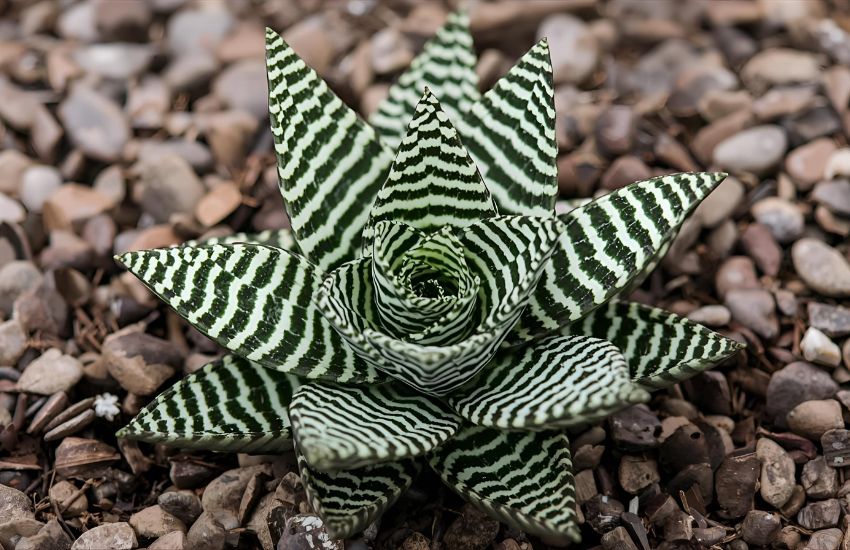
The haworthia zebra, also known as the zebra cactus, is a small succulent admired for its rosette of dark green leaves accented with striking white tubercles. These small plants are slow-growing, making them ideal for indoor spaces where you want elegant greenery without demanding constant attention. Zebra plants don’t require frequent care, which is why they are often recommended as easy to care succulents for gardeners seeking low-maintenance options.
Learning how to care for zebra plants begins with understanding their water needs. Providing little water and allowing the soil to dry completely between watering sessions helps prevent issues that can lead to root rot. Using a cactus potting mix or well-draining soil ensures that excess moisture does not harm the roots. With proper care, your zebra plants may even produce delicate white flowers, adding a seasonal touch of beauty to your collection.
Growing zebra plants indoors is straightforward once you consider their light and space requirements. They thrive in bright, indirect sunlight and adapt well to controlled environments, making them easy to grow. Propagating zebra pups from the parent plant is simple and rewarding, allowing you to expand your collection of haworthiopsis attenuata var specimens. As easy to care for indoors succulents, zebra plants bring charm, texture, and a touch of elegance to any arrangement of indoor plants, whether you are a seasoned gardener or a beginner seeking small succulent beauty.
Complete Zebra Haworthia Plant Care Guide: Water, Pot, Repot, and Maintenance Tips
Watering Your Zebra Haworthia
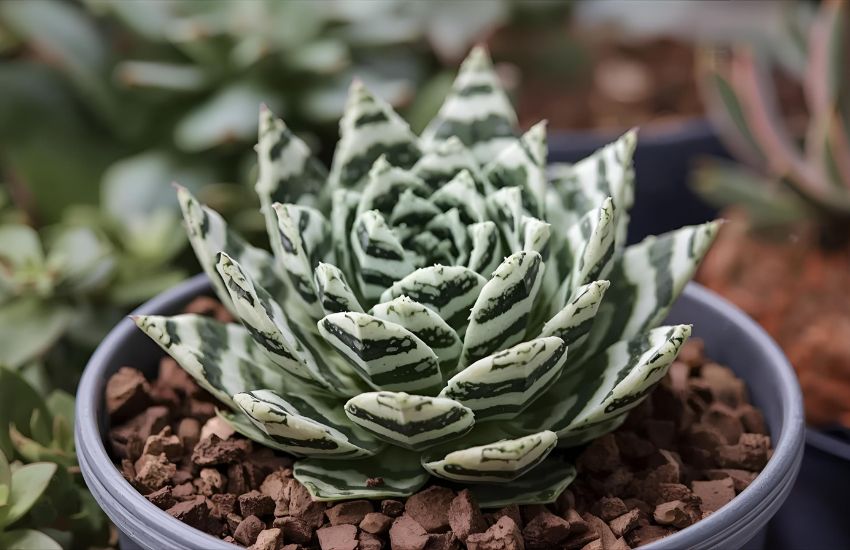
Caring for a zebra haworthia starts with understanding its water requirements. This succulent thrives when you water it sparingly, allowing the soil to dry completely between sessions. Overwatering can lead to root rot, so it is best to provide water only when the top layer of soil feels dry. During its growing season, you may water every two weeks, adjusting based on your indoor climate and pot size. The plant’s thick leaves with horizontal white stripes store moisture, helping it survive short periods of dryness.
Choosing the Right Pot and Soil
Selecting a proper pot is critical for the health of your zebra haworthia. Always use a pot with drainage holes to prevent water accumulation. Pair it with fast-draining potting soil, enriched with pumice or perlite to improve aeration and drainage. This combination ensures your succulent remains healthy and supports strong root growth.
Repotting and Maintenance Tips
Repotting should be done every one to two years or when the plant outgrows its container. Carefully remove the plant from its pot, shake off excess soil, and inspect the roots for signs of damage. Replace the old soil with fresh, well-draining mix to provide optimal conditions. Zebra haworthias are hardy and free of most pests, but occasional inspection for mealybugs or scale can prevent infestations.
Ideal Growing Conditions
Zebra haworthias thrive in zones 9 to 11 with bright, indirect sunlight. They are well-suited for indoor spaces where temperatures are stable and drafts are minimal. By providing proper water, a suitable potting medium, and regular maintenance, you can enjoy the unique beauty of this succulent, highlighted by its dark green leaves adorned with leaves with horizontal white markings.
Easy Zebra Haworthia Propagation Steps and Effective Pest Control Methods
Propagating Zebra Haworthia
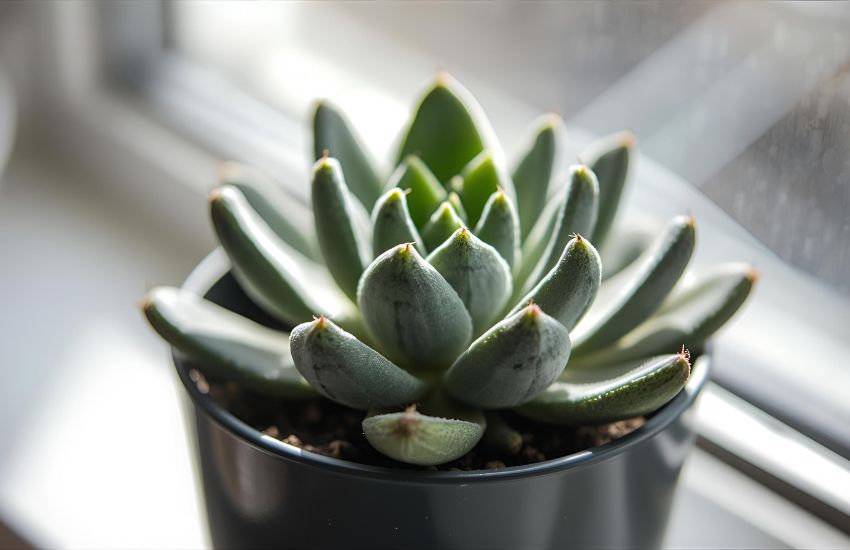
Propagating zebra haworthia is a straightforward process that allows you to expand your collection of these charming succulents. You can start by separating offsets, or pups, from the parent plant. Gently remove the offset, ensuring it has some roots attached, and plant it in a small pot with well-draining soil. Place the new plant in a location with bright indirect sunlight, such as a terrarium or a windowsill. This controlled environment helps retain humidity without exposing the succulent to harsh light. Water sparingly and avoid mushy leaves, which are signs of overwatering.
Caring for Newly Propagated Plants
Once planted, newly propagated zebra haworthias should be allowed to acclimate for several weeks. Maintain indirect sunlight exposure and keep the soil slightly moist but not soggy. These pointed leaves store water, allowing the plant to survive periods of dryness, but be cautious of overwatering, which can damage the developing roots. With proper care, your new plants will grow steadily and may even bloom in late spring.
Pest Control Methods
Zebra haworthias are generally resilient, but occasional pests can affect their health. Inspect your plant regularly for signs of insects, and take action immediately if you notice any. Common issues include mealybugs or scale insects, which can be gently removed with a cotton swab dipped in rubbing alcohol. Maintaining good air circulation and avoiding overwatering can prevent conditions that encourage pest growth. Proper care during late spring to early summer is especially important, as this is the period when the plant actively grows and is more susceptible to stress.
Conclusion
Caring for your zebra haworthia is a rewarding experience that combines the beauty of pointed leaves, slow growth, and elegant patterns with the satisfaction of successful propagation and maintenance. By providing well-draining cactus soil, monitoring your waterings, and avoiding soggy soil or underwatering, you create the ideal conditions for this resilient succulent to thrive. When pests appear, timely intervention with physical removal or safe insecticidal treatments ensures your plant remains healthy and vibrant.
With consistent care, your zebra haworthia will flourish indoors, bringing life and texture to your terrarium, windowsill, or any bright indoor space. Start today by applying these practical tips and watch your small succulent grow steadily, bloom in late spring, and produce offsets for propagation. Take action now—bring home a zebra haworthia and enjoy the elegance and ease of a truly easy-to-care succulent plant!