
Satin Pothos Argyraeus is a striking houseplant known for its silvery, heart-shaped leaves and elegant trailing vine. Often called silk pothos or silver pothos, this tropical plant thrives indoors when given the right conditions. Placing it in indirect light, maintaining balanced humidity, and keeping the soil moist without overwatering are key to preventing rot and root rot while ensuring vibrant foliage. Choosing a pot with proper drainage is essential to protect the plant from water-related stress.
Caring for your satin pothos also involves understanding its growing season, which typically peaks in spring or early summer. Regular waterings, a well-draining potting mix, and occasional application of a water-soluble fertilizer will support healthy growth. You can also prune the stems to maintain shape and encourage fuller growth. Paying attention to variegation and silvery foliage will help you monitor the plant’s overall health and spot early signs of stress or pests like mites.
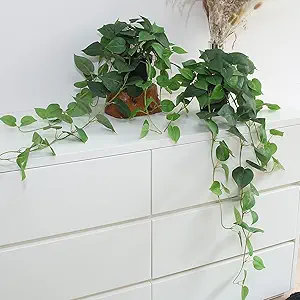
33″ Set of 2 Faux Ivy Vines with Pots, Realistic Silk Devil’s Ivy for Indoor Décor, Low Maintenance Artificial Greenery for Home or Office (Green).
This satin pothos care guide will walk you through every aspect of nurturing your indoor plant. You will learn how to propagate using stem cuttings, repot successfully, and choose the right planter for long-lasting growth. By following these practical tips, you can enjoy a thriving silver pothos that brings beauty, calm, and a touch of tropical elegance to your space.
Satin Pothos Argyraeus Care Guide: Light, Pot, Planter, and Humidity Essentials
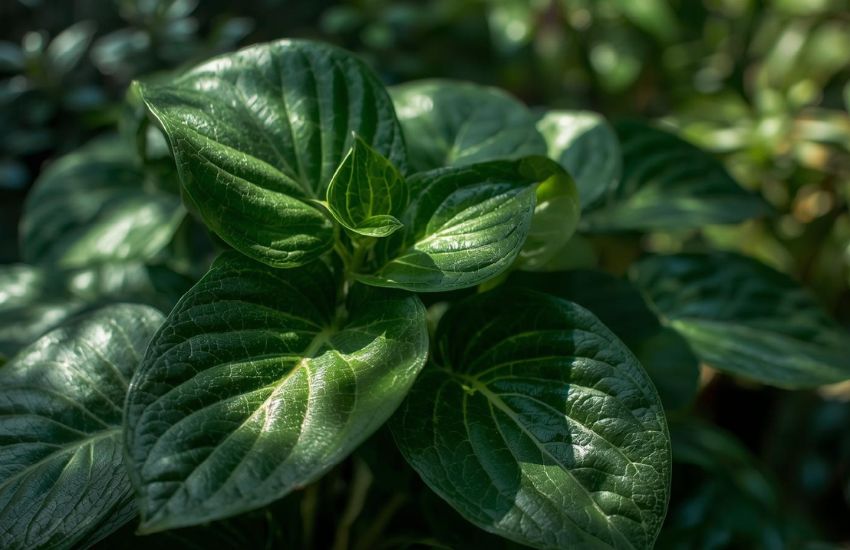
Caring for a satin pothos plant requires attention to light, potting, planter selection, and humidity to ensure healthy growth. The scindapsus pictus argyraeus, commonly known as satin pothos, is a tropical vine from the arum family that produces heart-shaped leaves with a distinctive silver splash on dark green foliage. This satin pothos care guide will help you maintain its vibrant look, prevent common issues, and provide the ideal environment for both juvenile and mature leaves.
Light Requirements
Satin pothos prefers bright indirect light to maintain its striking variegation. Juvenile leaves are oval, while mature leaves display a silver vine pattern on green leaves. If the plant receives little light, the leaves may lose their variegation, and the vine can become leggy. Place the plant near a window that receives filtered sunlight, avoiding direct sunlight which can cause yellow leaves or blotch on the foliage.
Choosing the Right Pot and Planter
A pot with drainage holes is essential to prevent root rot. Using a well-draining soil mix and a planter that allows excess water to escape helps avoid overwatering. Ensure the top inch of soil can dry out between waterings, as the plant is sensitive to consistently wet soil. Selecting a planter that complements your space also supports airflow around the root system and encourages healthy growth from the parent plant to new vines.
Humidity and Temperature
As a tropical plant, satin pothos is a tropical species that thrives in temperatures between 65 to 85 degrees Fahrenheit. Maintaining moderate to high humidity prevents curling leaves, browning, or other signs of stress. You can mist the leaves occasionally or place the plant near a humidity source. Consistent humidity ensures leaves may retain their silver splash, while low moisture can cause them to turn brown or develop leaf spot. Regularly monitoring conditions also reduces the risk of pests and diseases.
By balancing light, potting, planter selection, and humidity, your satin pothos plant will flourish, showing off its silver vine, heart-shaped leaves, and lush dark green foliage. Careful attention to these essentials will allow the plant to thrive in your indoor space while maintaining its striking appearance.

3.7/4.8/6.2 Inch Indoor Planters with Saucers & Drainage Hole Planter pots for Indoor Plants and Flower, White.
Conclusion
Although this plant is relatively easy to care for, paying attention to its environment will ensure it thrives. Satin pothos is a tropical plant that can tolerate lower light but flourishes in bright indirect light, producing heart-shaped leaves with a beautiful silver splash. Maintaining higher humidity levels and using a pot with proper drainage holes will help keep the plant healthy and prevent fungal leaf spot or other pests and diseases. Be mindful of watering, allowing the top inch of soil to dry out between waterings, as overwatering can cause the leaves to lose their vibrant variegation or turn brown.
Creating the right conditions around your plant encourages new growth and ensures leaves also remain lush and striking. By following this satin pothos care guide, you can support your parent plant and encourage the plant to grow vigorously, whether in your home or office.
Enhance your indoor space with this elegant satin pothos plant today. Select the right planter, monitor light and humidity, and watch as your silvery vine transforms any corner into a thriving, vibrant green oasis.

For Indoor Succulents, Aloe Vera and More, Made with Miracle-Gro Plant Food, 4 qt.
Frequently Asked Questions (Satin Pothos Argyraeus Care Guide for Scindapsus Pictus Plant)
How do you care for a Scindapsus Satin Pothos?
Scindapsus Satin Pothos thrives in bright, indirect light but tolerates lower light. Water when the top inch of soil is dry, and ensure well-draining soil to prevent root rot. Maintain moderate humidity, avoid direct sunlight, and occasionally wipe leaves to remove dust and encourage growth.
Do Satin Pothos need sunlight?
Satin Pothos prefers bright, indirect sunlight but can tolerate lower light conditions, making it ideal for indoor spaces. Direct sunlight can scorch its leaves, so avoid placing it in harsh sun. Filtered or partial light ensures healthy growth and vibrant leaf patterns.
Where is the best place to put a Satin Pothos?
The best place for a Satin Pothos is in bright, indirect light, such as near an east- or north-facing window. It can tolerate lower light but may grow slower. Avoid direct sunlight, which can scorch its leaves, and keep it in a well-ventilated, indoor space.
Do Satin Pothos like to climb or hang?
Satin Pothos is a versatile plant that can both climb and hang. When provided with a support like a moss pole or trellis, it naturally climbs, showcasing its heart-shaped leaves. Otherwise, it thrives beautifully in hanging baskets, allowing its trailing vines to cascade elegantly.