
Finding the best price for a Sansevieria Whitney – Snake Plant starts with understanding what truly affects its value. When you compare different sellers, you’ll notice that factors such as size, pot type, plant maturity, and overall visual quality can create noticeable price differences. Knowing these elements allows you to make a smart and confident buying decision.
In most markets, the Sansevieria Whitney remains a budget-friendly variety, with smaller plants often starting around $9.50, and larger, well-grown specimens reaching $60 or more. In many Asian markets, compact plants in a pot are typically priced between ₹250 and ₹1,000+, depending on availability and how far the seller needs to ship your order. These changes reflect plant health, leaf condition, and buyer demand during peak seasons.
In this guide, you’ll discover how to identify fair pricing, how different sizes influence cost, and what to review before making a selection. You’ll also learn how this compact houseplant thrives with proper light, water, and simple care, helping you choose the best plant with confidence.
Factors Influencing Sansevieria Whitney Snake Plant Price and Shipping Costs
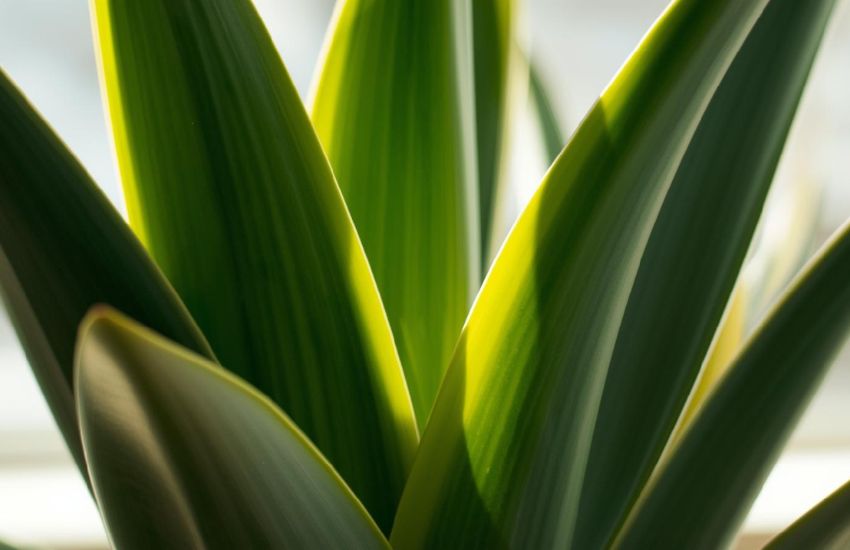
Understanding what determines the price of a Sansevieria Whitney Snake Plant helps you make a confident and informed purchase. Several elements—from plant quality to packaging standards—directly shape both the cost of the plant and the amount you pay for delivery. The following factors will guide you toward choosing a healthy, well-prepared live plant that thrives in your indoor space and gives you the best value for your investment.
1. Plant Variety, Quality, and Overall Condition
The Sansevieria Whitney Snake Plant is valued for its compact form and attractive foliage. Prices often vary significantly based on appearance and health. For example, smaller, younger plants may start around $10–$20, while larger, more mature specimens with strong, consistent growth might be priced at $40–$60+. Plants that display richer color and sturdier structure typically command higher prices, because they require more time and careful cultivation to reach that level of quality.
Sellers describe the plant’s condition, including leaf firmness and overall symmetry. A plant with dense growth and a pleasing shape will generally cost more than one with sparse foliage.
2. Growing Conditions and Care History
How a plant is nurtured before sale has a noticeable impact on pricing. A well-cared-for specimen that has received the right balance of light, water, and nutrients will usually be healthier and therefore more expensive. Such plants often fall into the $25–$50 price range.
Plant health reflects the care history: a specimen that has been grown in suitable conditions and developed strong roots and foliage is less likely to suffer issues like weak growth or vulnerability to pests. Less robust plants, often sold for $10–$20, may need more time to settle in their new environment and thrive.
3. Seller Reputation and Market Demand
The experience and reliability of each seller influence pricing as well. Reputable sellers who offer detailed plant descriptions and reliable delivery often charge slightly higher prices—sometimes 10–20% more because they provide confidence and lower risk of damage in transit. During peak interest periods, such as gardening seasons, demand for this popular houseplant can also push prices upwards.
Conversely, newer or less-experienced sellers might offer lower rates to attract buyers, with plants listed from $15–$30, but you should evaluate shipping practices and plant quality carefully.
4. Shipping Distance, Packaging, and Delivery
The cost to ship a live plant directly affects total price. Local delivery options often remain affordable, while long-distance transport can increase costs by $10–$30 or more, depending on distance and packaging complexity. Quality packaging that protects leaves and roots increases the chance the plant will arrive in healthy condition worth the extra investment if you want minimal stress for the plant.
Plants sold with secure packaging and a guaranteed arrival condition tend to carry a higher overall price but reduce the risk of damage during transit.
5. Special Features and Aesthetic Appeal
Some plants stand out due to richer colors or subtle growth differences. Live plants with standout visual appeal such as more uniform foliage or exceptionally vibrant tones—may be priced $5–$15 above average. Unique visual traits add value because they enhance the plant’s aesthetic presence once placed in your home or office.
Conclusion
In conclusion, choosing the right Sansevieria Whitney Snake Plant requires careful consideration of plant quality, pricing, and shipping factors. By selecting a well-packaged plant that arrives in secure transit, you ensure it reaches your home or office in optimal condition. Paying attention to care requirements, such as letting the soil dry out completely between waterings, maintaining proper humidity, and preventing root rot, will help your plant thrive for years.
Whether you are a beginner or an experienced plant enthusiast, investing in a healthy, vibrant specimen with stiff leaves, elegant patterns, and striking variegation adds both beauty and a natural air-purifying element to your space.
Don’t wait to elevate your indoor greenery—explore our carefully curated Sansevierias today and select the perfect plant to enhance your home or office decor. Order now to enjoy a secure, hassle-free delivery and bring home a low-maintenance, stunning decor piece that truly thrives.
Frequently Asked Questions (Sansevieria Whitney – Snake Plant Price Guide for Smart Buyers)
Is Sansevieria Whitney rare?
Yes, Sansevieria Whitney is considered rare. Its striking variegated leaves and compact, upright growth make it highly sought after by collectors. Limited availability in nurseries and slow growth contribute to its rarity, making it a prized addition for indoor plant enthusiasts.
What is the rarest Sansevieria type?
The rarest Sansevieria types include Sansevieria kirkii ‘Starfish’, Sansevieria trifasciata ‘Moonshine’, and highly variegated cultivars like Sansevieria Whitney. These are prized for unique leaf patterns, colors, and shapes. Limited availability and slow growth make them highly sought after by collectors and indoor plant enthusiasts.
How much is a 3 foot snake plant?
A 3‑foot snake plant usually costs around ₨ 1,500 to ₨ 2,500 for a live plant in Pakistan, with price rising for larger sizes, special varieties, or decorative pots. Basic medium to large snake plants fall in this range at most nurseries and online sellers.
Which snake plant variety is best?
The best snake plant varieties include Sansevieria trifasciata ‘Laurentii’, ‘Moonshine’, ‘Black Gold’, ‘Hahnii’, and ‘Silver Queen’. They’re popular for strong growth, striking foliage, and easy care. Choice depends on your space and look: tall upright types suit floors, while compact forms fit shelves.