
If you’ve ever noticed the striking silver-green leaves of the moonshine snake plant, you may be curious about how to help this resilient succulent thrive in your home. Known for its upright, broad leaves and air-purifying qualities, the Sansevieria Moonshine – Snake Plant is a low-maintenance indoor variety that can adapt to a range of conditions. With proper plant care, you can enjoy its unique color, structure, and ability to tolerate both low light and bright indirect light, making it a versatile addition to any space.
To help your moonshine snake plant thrive, it’s important to understand its soil, pot, and watering needs. This succulent prefers well-draining soil and a pot with adequate drainage to prevent overwatering, which can harm the root and cause yellowing or wrinkle in the leaves. The plant’s trifasciata variety, originally from West Africa’s tropical regions, adapts well to indoor temperatures but will benefit from careful attention to light, humidity, and occasional fertilization.
GREENTIME 4 Pack Fake Plants in Black Pot Mini Artificial Eucalyptus Potted Plant Small Faux Grass Greenery Potted for Indoor Home Office Farmhouse Bathroom Table Decoration.
In this blog, you’ll find practical tips on plant care, including how to water your moonshine snake plant correctly, maintain soil moisture, manage pests, and create the ideal space for it to grow. You’ll also learn how to handle common problems, choose the right pot and soil, and keep your succulent healthy, resilient, and beautiful.
Common Problems and Solutions for Sansevieria Moonshine Snake Plant
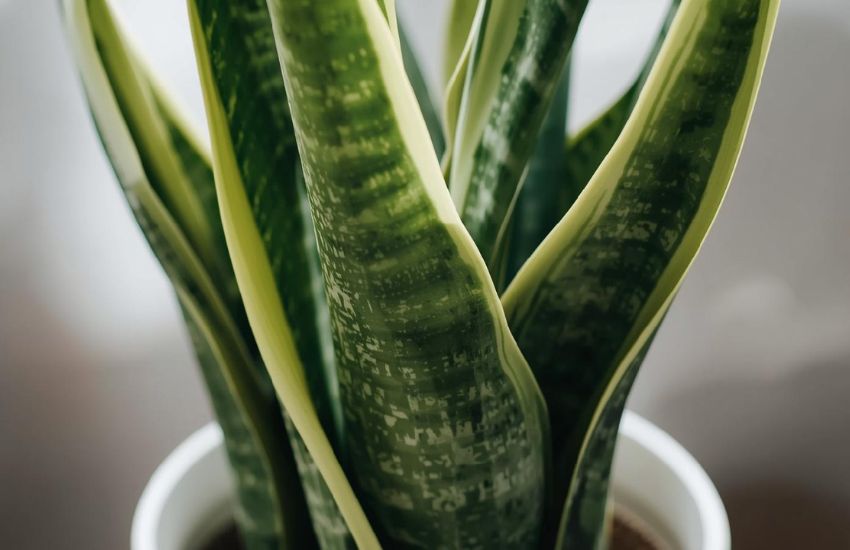
Even the most resilient houseplant can face issues if certain care aspects are overlooked. The snake plant moonshine, or moonshine sansevieria, is highly adaptable and tolerant, but understanding its common problems helps you maintain its silvery-green leaves and vibrant appearance. Below, we outline the most frequent challenges and how to resolve them effectively.
Yellow Leaves
Yellow leaves are one of the most noticeable common problems for this plant. Overwatering is often the culprit. Ensure your plant is in a pot with drainage holes and well-draining soil, and allow the soil to dry completely between waterings. If yellowing persists, remove affected leaves using a clean cutting to prevent potential rot from spreading to the roots.
Leaf Wrinkling or Drooping
Wrinkled or drooping leaves indicate drought or low humidity. The snake plant moonshine can tolerate dry conditions for short periods, but if the soil is completely dry for too long, it may show signs of stress. Water thoroughly when the top inch of soil is dry and consider increasing humidity slightly by placing the plant near a humidifier or grouping it with other plants.
Pest Infestations
Mealybugs or spider mites can occasionally attack your houseplant. Check the leaves, especially in the shade or low light conditions, for silvery spots or sticky residue. Remove pests by wiping leaves with a damp cloth or using an insecticidal spray suitable for indoor plants. Regular inspection and maintaining indirect sunlight exposure can prevent infestations.

Neem Oil for Plants (Makes 480 fl oz) with Spray Bottle & Essential Oils | for Indoor Houseplants & Outdoor Gardens, Natural Leaf Shine.
Root or Soil Issues
Poor soil drainage or compacted soil can harm the roots. Ensure the moonshine sansevieria is in a pot with drainage holes and well-draining soil to allow water to flow and avoid standing in a damp period. Repotting every few years helps maintain healthy roots and vibrant, silvery foliage.
By addressing these common problems with proactive solutions, you can ensure your snake plant moonshine remains an adaptable, low-maintenance, and visually striking addition to your indoor space. Regular care, proper watering frequency, and occasional cutting of affected leaves will keep it thriving for years.
Conclusion
Understanding the common problems of the moonshine snake plant is essential for maintaining its vibrant, silvery-green appearance. Yellow leaves, wrinkling, or pest infestations often indicate overwatering, drought, or low humidity, and addressing these issues promptly can prevent root rot and keep your plant healthy.
Using a damp cloth to clean leaves, ensuring proper drainage, and allowing the soil to dry between waterings are simple steps that support your plant’s resilience. The adaptability of the snake plant allows it to thrive in both low light and brighter indoor spaces, while occasional cutting of damaged leaves encourages a healthier layer of growth.
By following these care practices, you can enjoy a thriving, vibrant moonshine snake plant that adds life and elegance to your indoor or outdoor spaces. Don’t wait—start implementing these tips today to protect your plant and watch your moonshine may flourish beautifully.
Walensee Lawn Aerator Spike Metal Manual Dethatching Soil Aerating Lawn with 15 Iron Spikes, Pre-Assembled Grass Aerator Tools for Yard, Lawn Aeration, Garden Tool, Revives Lawn Health, Patented.
Frequently Asked Questions (Sansevieria Moonshine – Snake Plant Care Tips for Beginners)
How do you take care of a moonshine snake plant?
Moonshine snake plants thrive in bright, indirect light but tolerate low light. Water only when the soil is completely dry to prevent root rot. Use well draining soil, keep temperatures warm, and avoid overwatering. Wipe leaves occasionally to maintain their silvery color and support healthy growth.
How often should I water a moonshine snake plant?
Water a Moonshine snake plant every two to three weeks during spring and summer, allowing the soil to dry out completely between waterings. In fall and winter, reduce watering to once a month. Overwatering is the most common cause of root rot in snake plants.
Does moonshine need direct sunlight?
No, Moonshine snake plant does not need direct sunlight. It grows best in bright, indirect light, which helps maintain its pale silvery color. Direct sun can scorch the leaves, while low light is tolerated but may slow growth and dull the foliage.
How to take care of a snake plant for beginners?
Place your snake plant in bright, indirect light, though it tolerates low light. Water sparingly—allow soil to dry between waterings. Use well-draining soil and a pot with drainage holes. Avoid overwatering, and occasionally wipe leaves to remove dust. Minimal care keeps it healthy and thriving.