
Finding a fair rubber plant price can feel challenging when every shop, nursery, or online sale lists something different. You want a house plant that looks stunning, fits your budget, and offers long-term value. Yet factors such as the maturity of the ficus elastica, the size of its pot, the richness of its foliage, and seasonal demand all influence what you pay.
At the center of price differences is the plant’s size and variety. A small starter indoor rubber plant (4–6 inches) typically ranges from $15–$30, while medium sizes often reach $35–$60. Larger, mature options or specialty types—such as burgundy or variegated forms—may cost $70–$120+, especially when sellers need to ship them safely. These price jumps reflect longer growth periods, stronger roots, and higher demand among indoor plants collectors who want pieces that thrive under bright light with proper water management.
In this guide, you’ll explore the best ficus elastica options, practical rubber plant care tip insights to help your plant thrive, and expert suggestions on choosing rubber tree varieties suited for indoors. You will also learn what to check when comparing rubber tree plants for sale so you can confidently buy the right plant with quality and value in mind.
Rubber Plant Price Trends and Ficus Rubber Tree Varieties Explained
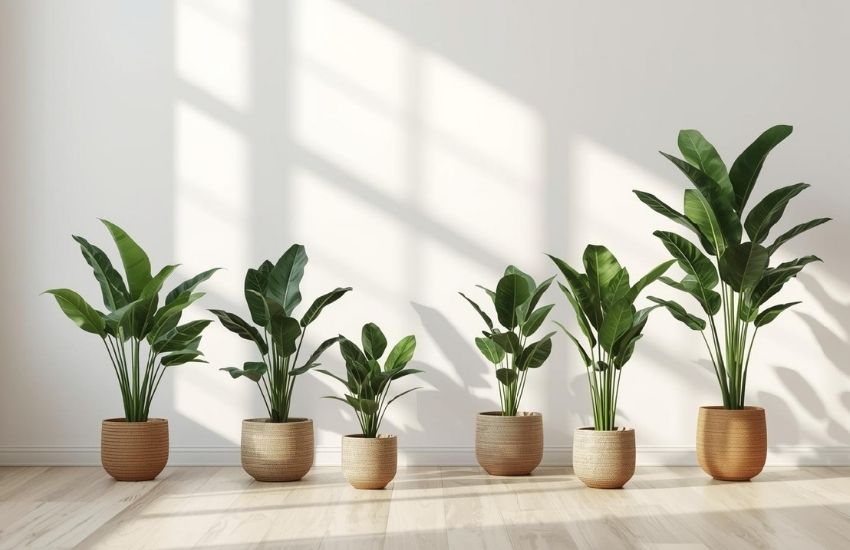
Understanding how rubber plant price trends shift throughout the year helps you make informed decisions when comparing rubber plants for sale. Prices vary depending on size, rarity, and where the plant is sourced, whether from a local nursery or an online plant for sale listing. As demand for houseplant collections continues to grow, the rubber plant ficus remains a preferred choice due to its appealing foliage and low-maintenance nature.
Price Factors: Size, Maturity, and Visual Appeal
The cost of rubber tree plants often increases with the size and age of the plant. A small starter plant (4–6 inches) typically costs $15–$30, while medium sizes (8–12 inches) often range from $40–$70. A mature or large rubber tree that stands several feet tall may fetch $90–$150+ because it takes years to grow. Plants with rich tones—such as the burgundy rubber tree—may also cost more, with popular burgundy varieties often priced around $70–$120 due to their striking, vibrant foliage that appeals to collectors.
Variegated and Specialty Types: Why Prices Are Higher
Special varieties like the variegated rubber plant or the soft-toned ficus tineke often sit at the upper end of the price range. These plants commonly sell for $60–$130+, reflecting their unique color patterns and slower growth, which require more time and resources at the nursery. This explains why specialty ficus rubber plants are typically sold at a premium compared with standard green forms.
Care Essentials That Influence Long-Term Value
When you purchase a plant for sale, long-term value depends on suitable care practices. Good rubber plant care begins with choosing well-draining soil and a pot that has proper drainage holes to prevent excess moisture. A quality potting mix supports healthy roots, while moderate fertilizer helps maintain steady foliage growth. Regularly checking drainage, learning when to prune, and knowing when to repot the plant extend its lifespan and preserve its shape.
Because these plants prefer indirect or indirect light and are easy to grow, they suit many indoor environments. However, you must handle the sap carefully during pruning, as it can be mildly toxic and irritating. If you have a pet, keep the plant out of reach to avoid accidental ingestion.
Practical Buying Tips for Better Price and Quality
Before choosing from available rubber tree plants, compare options from online sellers and your local nursery. Ensure the plant shows healthy leaves, strong stems, and no signs of pests. Look for proper soil moisture — not overly wet conditions. Whether you choose a standard green variety or a specialty burgundy rubber tree, selecting well-cared-for plants helps you get the best combination of price and lasting quality.
Conclusion
A well-chosen rubber plant can elevate your space with lush greenery, impressive height, and foliage that can easily reach several feet tall. Whether you are a beginner or an experienced grower, understanding price trends, care needs, and variety differences helps you make confident decisions. Prioritizing proper temperature, humidity, and ideal light conditions—while avoiding direct sunlight and cold drafts—ensures your plant remains healthy, vibrant, and ready to stun as it matures.
Long-term value also depends on how you care for the plant after purchase. Allow the soil to dry or dry out between waterings, add perlite to improve aeration, and choose a container with good drainage to prevent root rot. When the plant becomes dense and bushy, you’ll know it’s time to repot and support its continued growth. With thoughtful maintenance, your rubber plant becomes not only an elegant décor piece but also an air-purifying companion that enhances any room.
If you’re ready to bring home a rubber plant that fits your style, budget, and care comfort level, explore top varieties now and choose the one that will thrive—and impress—in your home. Take the next step today and find the perfect rubber plant to transform your space.
Frequently Asked Questions (Rubber Plant Price Guide: Best Ficus Options for Quality and Value)
Which rubber plant is best?
The best rubber plant for most homes is Ficus elastica ‘Burgundy’. It has deep green, glossy leaves, adapts well to indoor light, and is easy to care for. ‘Tineke’ suits bright spaces, while ‘Robusta’ grows larger but needs more light.
What is the price of rubber plant sapling?
In the United States the price for a rubber plant sapling or small indoor rubber plant typically ranges from about $10 to $30 for small nursery pots, while larger sizes around 6–10 inches can be around $20 to $55 or more depending on seller and size.
Which Ficus is best?
The Ficus lyrata, commonly known as the fiddle leaf fig, is often considered the best Ficus for indoor spaces due to its large, attractive leaves and sculptural appearance. It thrives in bright, indirect light and moderate humidity, making it ideal for home or office decoration.
How much is a Ficus tree in Pakistan?
In Pakistan a small Ficus plant like a starter or bonsai costs about ₨ 500 – ₨ 1,000. Larger indoor trees range from roughly ₨ 22,000 to ₨ 37,000. Very tall or premium Ficus with planter can cost over ₨ 80,000.