
If you are looking to transform your indoor space with a striking tropical houseplant, the rubber tree, or ficus elastica, is an excellent choice. With its glossy leaves and towering stems, this plant not only adds a sense of calm and natural beauty but also thrives with relatively simple care. Whether you are drawn to the classic deep green or the variegate varieties, understanding how to maintain soil, water, and sunlight properly will help your rubber tree flourish and produce vibrant new leaves.
Caring for a rubber tree involves more than just watering. You need to pay attention to indirect light, humidity levels, and occasional pruning to encourage healthy growth. Its sap can be irritating, so handling the plant carefully is essential, especially if you have pets. Proper cutting and propagation techniques can allow you to expand your indoor jungle while keeping your rubber tree healthy.
In this rubber plant care guide, you will learn how to support healthy leaves and stems, manage sunlight and indirect light requirements, propagate new plants from cuttings, and maintain the right soil and water balance. By the end, you will feel confident in creating a calm, tropical environment with a rubber tree that thrives in your home.
Rubber Plant Care Guide for Burgundy Rubber Tree Growth
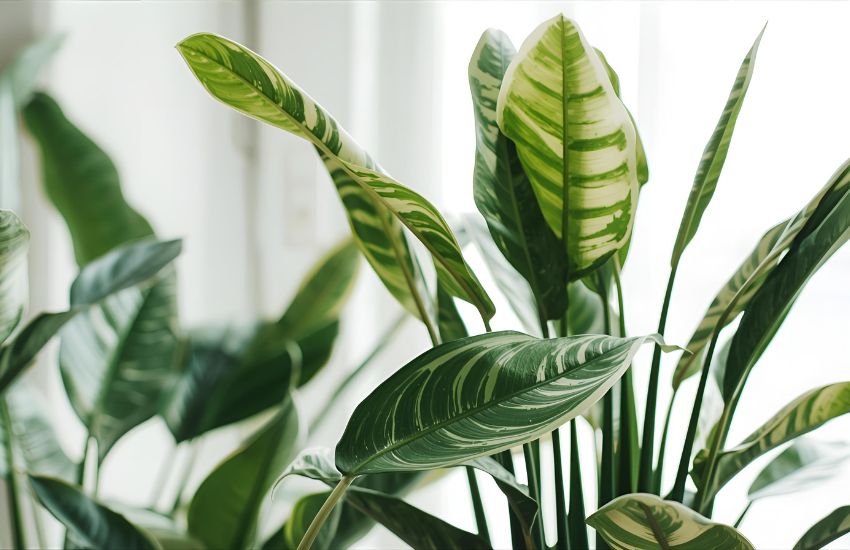
The ficus burgundy, commonly known as the burgundy rubber tree, is a stunning indoor plant that adds elegance and color with its rich, dark foliage. If you are looking to grow a healthy rubber tree plant indoors, understanding the right rubber plant care techniques is essential. This care guide will help you maintain vibrant oval leaves, encourage proper variegation, and ensure your plant thrives in a variety of light conditions.
Light Requirements for Optimal Growth
Burgundy rubber trees prefer bright indirect light but can adapt to lower light or low light settings, making them versatile for indoor spaces. Too much light may fade the foliage or stress the plant, while insufficient light can slow growth and reduce variegation. For young plants or spaces with minimal natural light, you can supplement with a grow light to maintain healthy growth and vibrant oval leaves.
Watering and Soil Tips
Overwatering is one of the most common mistakes in rubber plant care. Ensure the soil is well-draining and allow the top layer to dry between watering. Proper water management will prevent root rot and keep this easy-to-care plant thriving indoors.
Pruning and Foliage Maintenance
Regularly prune your burgundy rubber tree to encourage bushy growth and maintain its shape. Removing yellowing or damaged leaves not only improves the plant’s appearance but also allows more energy for new foliage and variegation to develop. Always handle the plant carefully, as the latex in the stems can be irritating, and keep this plant out of reach of pets and children.
Propagation for Expanding Your Indoor Jungle
If you want to multiply your indoor plants, propagation from cuttings is straightforward with the burgundy rubber tree. Select healthy stems with oval leaves, allow the latex to dry, and plant in well-prepared soil. This method helps you create additional plants while keeping your original rubber tree healthy and vibrant.
Rubber Plant Propagation, Prune, Repot, Pest, Toxicity Tips Care
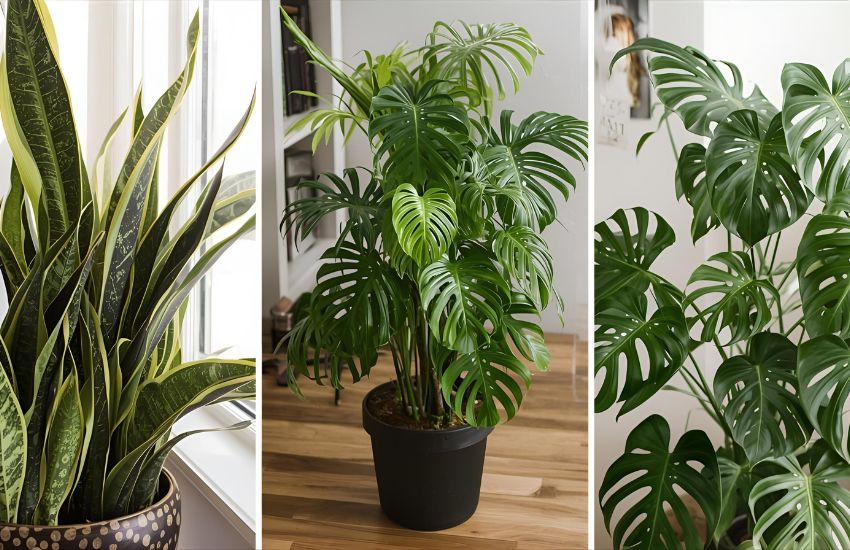
Proper care of a ficus elastica near your indoor space ensures that your rubber plant remains healthy, vibrant, and fast-growing. Understanding propagation, pruning, repotting, and pest management is key to maintaining lush foliage while keeping the plant safe around pets and children.
Propagation Techniques
Propagating a rubber plant is straightforward when done carefully. Use a healthy stem cutting with at least one leaf and place it in a well-draining soil mix. Keep the cutting near a window with sheer curtains to provide bright, indirect sunlight each day, which encourages root development. Regular misting helps maintain humidity, while moderate watering every 1-2 weeks ensures the cutting does not dry out or rot.
Pruning and Maintenance
Pruning allows your rubber plant to grow in a balanced and aesthetically pleasing shape. Remove any yellow or damaged leaves, and trim back fast-growing stems to encourage bushier growth. Use clean, sharp tools to avoid damaging the latex in the stems.
Repotting Guidelines
Repotting is essential every 2-3 years to provide fresh soil and adequate space for roots. Choose a container with drainage holes and a well-draining soil mix to prevent overwatering issues. Fertilizer can be added during the growing season to support strong foliage and healthy growth.
Pest Management and Toxicity Awareness
Rubber plants can occasionally attract pests such as spider mites or mealybugs. Inspect leaves regularly and use gentle treatments if needed. Be aware that the sap of ficus elastica from south and southeast Asia, including southern China, is mildly toxic, so always keep this plant out of reach of pets and children.
Conclusion
Caring for your rubber plant successfully requires attention to watering, light, and proper maintenance. Keeping the soil moist without overwatering is key to preventing root rot, while ensuring the plant receives bright, indirect light helps it stay resilient and healthy. Regular pruning encourages a bushy appearance, and careful propagation allows you to expand your indoor garden.
Always be mindful of the plant’s toxicity, as its sap can cause irritation if handled improperly, and keep the plant out of reach of pets and children. With warm temperatures and consistent care, your ficus elastica will thrive as an evergreen addition, producing glossy leaves that enhance any indoor space.
Your rubber plant can become a centerpiece of beauty and calm in your home. Start today by following these botanical care tips, propagate new plants, and enjoy a lush, thriving indoor environment.
Frequently Asked Questions (Rubber Plant Care Guide for Calm and Beautiful Indoor Spaces)
How to care for a rubber plant indoors?
Place your rubber plant in bright, indirect light and water when the top inch of soil feels dry. Maintain moderate humidity and avoid overwatering. Wipe leaves to remove dust, prune occasionally to shape, and use well-draining soil. Keep it away from drafts and sudden temperature changes.
What makes a rubber plant happy?
A rubber plant thrives with bright, indirect light, consistent watering without waterlogging, and moderate humidity. It enjoys occasional leaf cleaning, well-draining soil, and gentle pruning to encourage growth. Stable temperatures and avoiding drafts or sudden changes also keep it healthy and vibrant indoors.
Which rubber plant is good for indoors?
Ficus elastica varieties like the “Burgundy,” “Ruby,” and classic green rubber plant are excellent for indoors. They adapt well to indoor light, grow steadily without becoming invasive, and have attractive, glossy leaves. Choose a size suitable for your space and ensure proper watering and indirect sunlight.
Where is the best place to put a rubber plant indoors?
Place a rubber plant near a window with bright, indirect light, avoiding direct sunlight that can scorch its leaves. Ensure it’s away from cold drafts, heaters, or air conditioners. A well-lit living room, office corner, or sunroom with filtered light works best for healthy growth.