
Finding the best price for a red euphorbia plant can feel challenging, especially when you want quality without overspending. You may notice that prices vary depending on the size of the plant, the rarity of the euphorbia trigona, or even seasonal demand. Factors like the health of the stem, the number of thorns, and the freshness of leaves play a big role in determining value for money. Shipping and packaging also affect cost, as safe handling ensures your plant arrives intact in its pot with healthy soil.
Small red euphorbia plants in 4–6 inch pots may cost between $10 and $20, while taller specimens with thick stems, vibrant color, and healthy leaves can range from $50 to $100 or more. Rare euphorbia trigona or unusual color mixes may come at a premium, but these options offer long-term satisfaction for customers who want a standout succulent or cactus. Understanding these price differences helps you shop wisely and choose the best offer for your home or office.
In this blog, you will learn how to compare listings, select a balanced selection of red euphorbia plants, and follow practical tips to grow your plant safely. You will also discover ways to maintain healthy leaves, thrive in the right temperature and shade, and enjoy beautiful flowers for years.
Understanding Red Euphorbia Plant Varieties and Prices
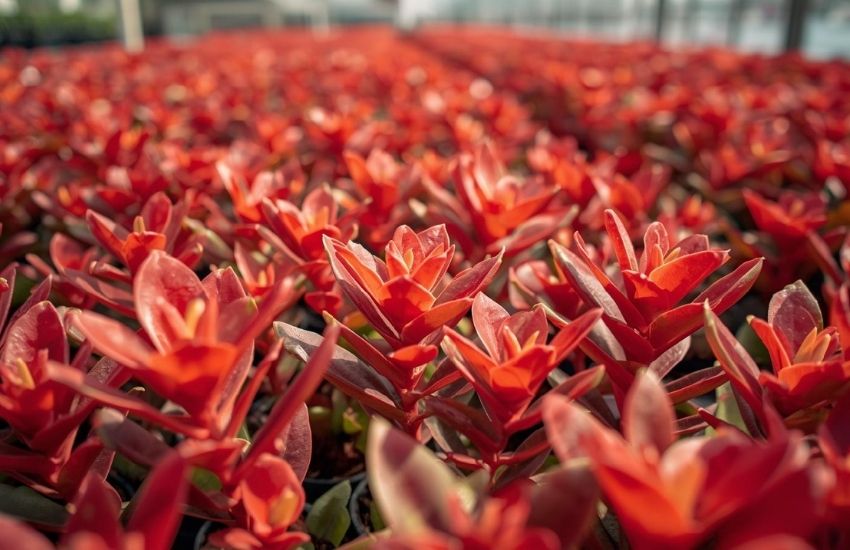
When you are looking to invest in a red euphorbia plant, understanding the different varieties and what affects their prices can help you make informed decisions. These plants are not only striking in appearance but also come with variations that influence both their care requirements and market value.
Popular Red Euphorbia Varieties
One of the most sought-after types is the red euphorbia crown of thorns, known for its vibrant flowers and thorny stems. Smaller options, such as the 4inches plant red euphorbia crown, are ideal for indoor spaces and are usually priced between $10 and $20. The Milii Maxi, which features a tall, well-formed shape and prolific flowering, can cost anywhere from $50 to $100 depending on size, stem thickness, and overall health. These price differences help you select a plant that fits your budget while still adding beauty to your space.
Price Factors and Value Considerations
Prices vary depending on the plant’s size, stem shape, leaves, and overall condition. Live plants that arrive in perfect condition generally cost more than smaller or younger specimens. Rare colors or unique formations may command premium prices, while standard varieties remain more affordable. Seasonal demand, nursery availability, and whether the plant is sold direct from the nursery also influence cost.
Ensuring Healthy Purchases
When placing orders online, ensure that your plant orders are shipped with proper care, often including heat packs to protect against cold damage. Check photos carefully to avoid dried or wilted plants. Using well-draining soil and providing bright indoor light ensures your red euphorbia thrives once it reaches your home. Reputable sellers may offer replacement policies for damaged or unhealthy shipments, giving you peace of mind and protecting your investment.
By understanding these varieties, price ranges, and purchasing tips, you can confidently select the right red euphorbia plant to suit your home, office, or succulent collection.
Conclusion
Selecting the right red euphorbia plant is about balancing quality, price, and care requirements. Whether you choose a small 4inches plant red euphorbia crown or a taller specimen that is several feet tall, understanding varieties like the Milii Maxi and the red euphorbia crown of thorns ensures you get value for your investment. Keep in mind that these plants are commonly known for their resilience but may require protection from frost if placed outdoor or in cooler climates. Shipping options, including USPS, priority mail, or combined shipping, can affect the condition of your plant upon arrival, so selecting a seller that offers free shipping and safe packaging is essential.
By paying attention to your climate, tropical care needs, and proper indoor placement, you can enjoy vibrant leaves, strong stems, and beautiful flowers for years. Protect your investment with proper soil, light, and watering routines, and your red euphorbia will thrive as a stunning focal point in your home or office.
Take action today—shop from trusted nurseries, explore a wide selection of red euphorbia plants, and bring home a healthy, thriving succulent that adds both beauty and value to your space!
Frequently Asked Questions (Red Euphorbia Plant Price: Find Quality and Affordable Options)
What is the Euphorbia plant good for?
Euphorbia plants are valued for their ornamental appeal, drought tolerance, and unique forms in gardens and indoor spaces. Some species are used in traditional medicine for skin issues and inflammation, though their milky sap is toxic and must be handled with care.
What are the different types of euphorbias?
Euphorbias include many forms, such as succulent types like Euphorbia trigona and Euphorbia obesa, shrubby garden plants like Euphorbia milii, ground covers like Euphorbia amygdaloides, and tree-like species. They range from cactus-like to leafy, flowering plants grown worldwide for their unique shapes and sap.
What are common problems with Euphorbia?
Common problems with Euphorbia include root rot from overwatering, leaf drop due to cold or sudden light changes, and sunburn from harsh direct sun. Pests like mealybugs and spider mites can appear. Milky sap may cause skin irritation when handled.
Where is the best place to plant Euphorbia?
The best place to plant Euphorbia is a bright, open spot with plenty of sunlight. Most varieties prefer well-draining soil and good air circulation. Avoid areas with standing water, as soggy soil can quickly lead to root rot and poor growth.