
If you are looking to bring a touch of natural elegance to your indoor space, the rabbit’s foot fern plant, or Davallia fejeensis, is an ideal choice. This epiphytic houseplant is admired for its furry rhizomes that trail gracefully over the edges of a pot, creating a unique, decorative appeal. Its lacy fronds add texture and a calming green presence, making it perfect for corners, shelves, or hanging displays.
Caring for this plant is simpler than many realize. You will need to provide indirect light to keep the fronds vibrant while maintaining consistent humidity and regular watering. A balanced fertilizer will support healthy growth, and occasional misting can keep the plant looking fresh and lush. Its fuzzy rhizomes are more than decorative they store nutrients and support new growth, giving the plant its signature trailing appearance.
In this guide, you will learn practical steps for foot fern care, including how to repot, propagate, and manage pests effectively. By the end, you will have a clear understanding of how to maintain your rabbit’s foot fern in a pot, ensuring it thrives and brings long-lasting beauty to your home.
Rabbit’s Foot Fern Plants: Repot, Fertilizer, Prune, Propagate, Pest
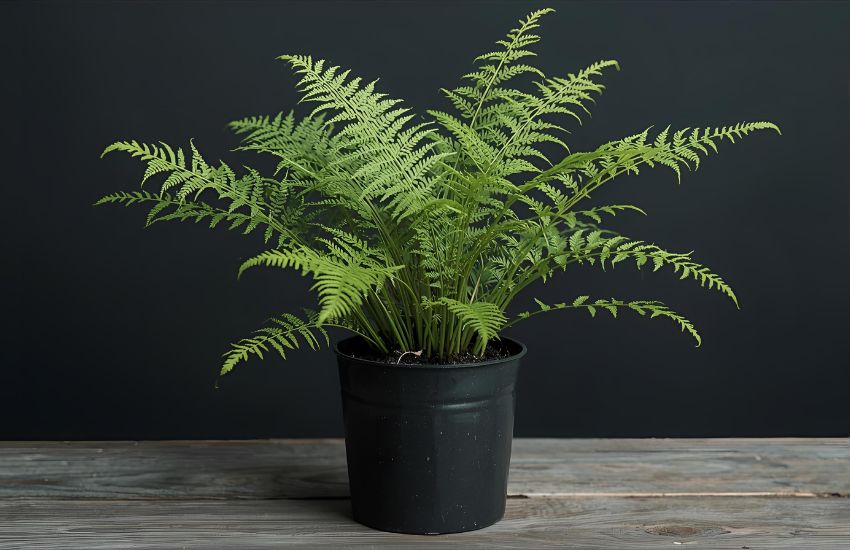
Repotting Your Rabbit’s Foot Fern
When your rabbit’s foot fern outgrows its pot, repotting becomes essential to maintain healthy growth. Choose a slightly larger container with a well-draining potting mix or a peat-based potting medium. Carefully remove the plant from its current pot, taking care not to damage the fuzzy rhizomes or the root ball. Gently loosen the roots and arrange the rhizomes that grow over the top of the soil or allow them to cascade naturally. After repotting, water lightly and place your fern in bright indirect light to encourage recovery. Some enthusiasts prefer using a moss basket for its epiphytic fern habit, which allows roots to grow freely.
Fertilizer and Nutrient Care
To keep your davallia spp thriving, apply a diluted, balanced fertilizer every 4–6 weeks during the growing season. The plant prefers bright conditions but is sensitive to direct sunlight, so maintain consistent high humidity either naturally or with a humidifier. Using a slow-release fertilizer or mixing nutrients into the potting medium helps maintain steady growth of the lacy fronds and furry rhizomes that grow along the top of the soil.
Pruning Your Foot Fern
Regular pruning helps your fern maintain its shape and health. Remove damaged or yellowed fronds at the base with clean scissors. Pruning also stimulates new growth from the fuzzy rhizomes, keeping your hare’s foot fern looking lush.
Propagation Techniques
You can propagate your rabbit’s foot fern via division or cutting. For division, separate sections of the root ball with attached rhizomes that grow and plant them in a fresh potting soil or potting medium. Cuttings with a small portion of furry rhizomes can also be rooted in moist peat-based potting mix, ensuring proper waterings and indirect sunlight.
Pest Management
While generally hardy, foot fern care must include monitoring for pest infestations such as mealybug or aphids. Inspect the lacy fronds and rhizomes regularly. Treat infestations promptly with insecticidal soap or remove affected sections to prevent spread. Maintaining high humidity and avoiding overly wet soil to dry cycles can reduce the risk of root rot and other fungal issues.
Conclusion
Caring for your rabbit’s foot fern requires attention to both its unique structure and environmental needs. During the growing season, ensuring moist soil enriched with the right nutrients and moisture will keep its fur-like rhizomes healthy and allow new fronds to flourish. You can use a balanced liquid fertilizer to support growth, while keeping the potting medium loamy and well-draining. Even when your fern enters dormancy or becomes semi-dormant, the rhizomes pinned along the top of the soil continue to draw moisture and nutrients, maintaining its vitality.
Regularly check for aphid infestations and prune damaged fronds to preserve the plant’s lush appearance. With proper care, your rabbit’s foot fern, which gets its name from its distinctive trailing rhizomes, can serve as a stunning groundcover or decorative indoor highlight.
Bring life and texture to your space by following these foot fern care practices. Start today and transform your home with the charm of this resilient and elegant houseplant.
Frequently Asked Questions (Rabbit’s Foot Fern Plant Care: Davallia Fejeensis in Pot)
How to care for rabbit foot fern in pots?
To care for a rabbit foot fern in pots, keep it in bright, indirect light and maintain consistently moist soil without waterlogging. Mist regularly for humidity, use well-draining potting mix, and avoid cold drafts. Fertilize lightly during the growing season to support healthy fronds and rhizomes.
Does a rabbit’s foot fern need direct sunlight?
No, a rabbit’s foot fern does not need direct sunlight. It thrives in bright, indirect light or partial shade. Direct sun can scorch its delicate fronds. Keeping it in filtered light helps maintain healthy growth, vibrant foliage, and its characteristic fuzzy rhizomes.
How often should I water rabbit foot fern?
Water a rabbit foot fern regularly to keep the soil consistently moist but not soggy. Typically, watering once or twice a week works, adjusting for humidity and temperature. Reduce watering in winter, and always allow the top inch of soil to dry slightly between waterings to prevent root rot.
Is rabbit foot fern easy to grow?
Yes, the rabbit foot fern is relatively easy to grow. It adapts well to indoor conditions with indirect light and moderate humidity. With consistent watering, occasional fertilizing, and protection from direct sunlight, it can thrive and develop its distinctive furry rhizomes, making it a low-maintenance decorative plant.