
If you’re looking to add a touch of elegance and unique charm to your indoor space, the Philodendron Broken Heart in a hanging pot is an ideal choice. Known for its heart-shaped leaves and trailing vines, this plant not only enhances the aesthetic appeal of your home but also provides a rewarding hands-on experience in plant care. To help your broken heart plant thrive, you need to understand how to provide the right balance of water, light, and nutrients while monitoring each leaf for signs of health or stress.
Growing a broken heart plant in a hanging pot allows its vines to cascade beautifully, creating a living piece of decor. However, successful growth requires attention to detail—from choosing the right soil to establishing a consistent watering routine. Each leaf is an indicator of your plant’s overall well-being, guiding you to adjust care practices for optimal growth.
In this guide, you will discover practical tips on watering, maintaining healthy leaves, and encouraging robust growth. You’ll also learn how to position your hanging pot for the best light and how to troubleshoot common issues, ensuring your broken heart plant thrives for years to come.
Watering, Light, and Care Tips for Philodendron Broken Heart with Hanging Pot
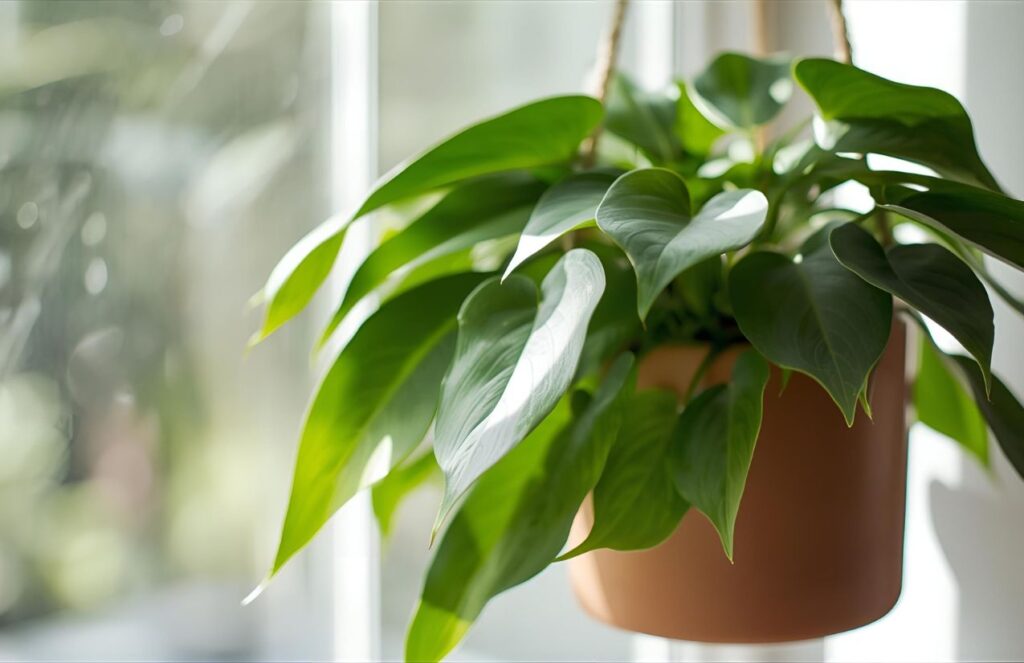
Caring for your broken heart philodendron in a hanging pot involves understanding its specific needs for water, light, and overall maintenance. This plant, native to tropical regions, is one of the most popular houseplants due to its striking heart-shaped leaves and trailing growth habit. With the right approach, you can enjoy a beautiful plant indoors that thrives year-round.
Watering and Soil Management
To encourage healthy growth, water your plant carefully, allowing the topsoil to dry slightly between waterings. Overwatering can lead to root rot, while underwatering may cause the stem and leaves to wilt. Using a well-draining soil mix is essential, and adding moss or perlite can improve aeration and moisture retention. If you notice holes in the leaf or drooping stems, it may be a sign to adjust your watering routine.
Light Requirements
Philodendrons flourish in bright indirect light. Placing your hanging pot near a window ensures your plant receives enough illumination without exposing it to harsh rays that can burn its leaves. Avoid direct sunlight to protect the delicate heart-shaped leaves. During the growing season, your philodendron may develop new growth more rapidly under consistent, filtered light.
Supporting Growth and Structure
Your broken heart philodendron naturally loves to climb. You can encourage this by providing a trellis or allowing it to grow along a wall. Regularly trim stems to maintain a tidy appearance and stimulate fresh growth. Repot your plant every 1–2 years in a slightly larger basket or container to accommodate root expansion and maintain vigor.
Humidity and General Care
These tropical philodendrons prefer moderate to high humidity, so misting or placing the plant near a humidity source can support lush growth. Inspect your heart-shaped leaves regularly for signs of stress, such as yellowing or damage, and remove any affected foliage to keep your plant healthy.
Conclusion
Caring for your broken heart philodendron in a hanging pot allows you to enjoy one of the most popular houseplants with minimal effort while adding an instant tropical feel to your home. Its trailing vines and heart-shaped leaves create a striking visual appeal, whether draped from shelves or allowed to climb along a wall. By avoiding overwatering and soggy soil, you can prevent root rot and keep your plant thriving, while occasional use of liquid fertilizer supports robust new growth.
With consistent attention to light, humidity, and general care, your philodendron will reward you with lush foliage and a tropical vibe reminiscent of monstera and other crowd favourites. Embrace the beauty of trailing vines and vibrant leaves to transform your indoor space.
Bring home a broken heart philodendron today and elevate your interiors with its tropical feel—start cultivating your own indoor paradise now.
Frequently Asked Questions (Philodendron Broken Heart with Hanging Pot: Plant Care Guide)
How to care for hanging philodendron?
A hanging philodendron grows well in bright, indirect light with lightly moist soil. Water when the top inch feels dry and avoid soggy roots. Use a well-draining mix, mist occasionally for humidity, and prune long vines to keep the plant full and healthy.
How do you care for a philodendron broken heart?
A philodendron broken heart grows well in bright, indirect light with lightly moist but well-draining soil. Water when the top inch dries out and keep humidity moderate. Feed monthly during the growing season and prune leggy vines. Place it in a warm spot away from strong sun and cold drafts.
How do you take care of a hanging heart plant?
Water a hanging heart plant when the soil feels slightly dry, and keep it in bright, indirect light. Use a well-draining mix and avoid overwatering to prevent root rot. Mist occasionally for humidity and trim leggy growth to keep the plant full and healthy.
How to take care of heart-shaped philodendron?
A heart-shaped philodendron grows well in bright, indirect light and slightly moist soil. Water when the top inch dries out and avoid overwatering. Keep it in a warm, humid spot and wipe the leaves occasionally. Feed monthly during the growing season for healthier growth.