
If you want a succulent that combines elegance with resilience, the Haworthia Cymbiformis plant is an ideal choice for your home or office. Known for its boat-shaped, fleshy leaves arranged in a tight rosette, this distinctive species originates from the Eastern Cape Province of South Africa. Its hardy nature allows it to grow beautifully indoors with minimal effort, making it a popular houseplant for both beginners and experienced plant enthusiasts.
To thrive, the Haworthia Cymbiformis needs well-draining soil and a soil mix that prevents root rot. The leaves store water, so careful attention to water is key. Choosing the right pot with proper drainage ensures your plant stays healthy, while balancing sunlight and shade helps preserve its green, fleshy leaves. Understanding its native habitat and growth description allows you to replicate conditions that promote flowering and longer-lasting larger plants.
In this blog, you will explore a detailed description of the Haworthia Cymbiformis, learn about its varieties and natural habitat, and discover practical tips on care, repotting, and maintaining soil mix for a thriving, rot-free succulent. By the end, you will know exactly how to help your plant grow healthy and vibrant in any houseplant setup.
Description and Unique Features of Haworthia Cymbiformis Plant
Appearance and Structure
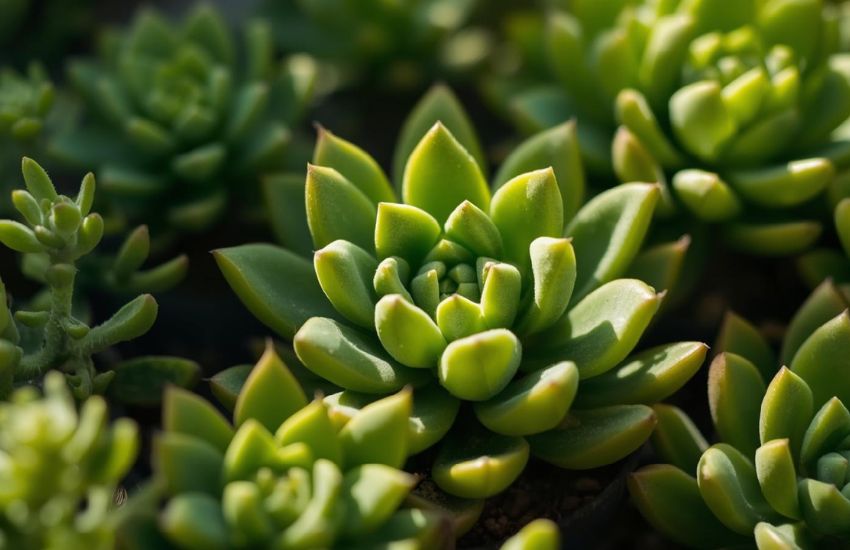
The Haworthia Cymbiformis is a small, low maintenance indoor plant prized for its rosettes of thick, fleshy leaves. The leaves are boat-shaped, often displaying a pale green hue with occasional hints of pale pink, especially at the tips. This unique coloration makes it an eye-catching addition to any nursery pot or indoor collection. As part of the genus Haworthia, it shares some similarities with Haworthia cooperi and cathedral window Haworthia, offering distinctive leaf textures that set it apart from other succulent plants.
Habitat and Native Range
This succulent is native to South Africa, specifically the Eastern Cape Province in South Africa and the Cape Province in South Africa, where it thrives in rocky, well-drained soils. Understanding its natural habitat allows you to replicate conditions that help it flourish indoors. The plant is adapted to bright, indirect light, although it can tolerate limited direct sunlight. Maintaining a well-draining soil mix enriched with perlite or using a succulent and cactus soil mix ensures proper drainage, protecting the plant’s delicate root system from rot.
Growth and Propagation
You can start new plants from seed or bare root specimens, and regular, light fertilizer helps support healthy growth. The plant’s compact size and structured rosettes of thick leaves make it suitable for small spaces, while its low maintenance nature allows it to remain a thriving indoor plant without demanding care. With attention to proper drainage and occasional feeding, your Haworthia Cymbiformis will remain a healthy, vibrant succulent for years.
Conclusion
In summary, the Haworthia Cymbiformis is a low maintenance indoor plant that can tolerate a range of light conditions while showcasing its charming green leaves and delicate transparent tips. Originating from rocky areas of Port Elizabeth and East London in South Africa, this hybrid succulent thrives during its active growing season, offering a touch of natural elegance to your home or office. While it prefers warmth, it should be protected from frost to ensure long-term health. Its unique structure, including rosettes of thick leaves, makes it an ideal choice for anyone seeking a hardy yet visually appealing addition to their plant collection.
If you’re ready to bring the beauty of this South African succulent into your space, explore our selection of Haworthia Cymbiformis plants and start your collection today. With the right care, succulent and cactus soil mix, and attention to its natural habitat, you can enjoy a thriving, resilient plant that enhances any environment.
Frequently Asked Questions (Haworthia Cymbiformis Plant Care Tips for Thriving Succulent Spaces)
Does Haworthia cymbiformis need direct sunlight?
Haworthia cymbiformis does not need direct sunlight and can thrive in bright, indirect light. Too much direct sun can cause its leaves to burn or turn reddish. A spot near a window with filtered light or partial shade is ideal for healthy growth.
How do you care for Haworthia cymbiformis?
Haworthia cymbiformis thrives in bright, indirect light and well-draining soil. Water sparingly, allowing the soil to dry between watering. Avoid overwatering to prevent root rot. Maintain moderate indoor temperatures and protect from frost. Occasional fertilization during the growing season supports healthy growth and vibrant leaves.
How do you care for Haworthia succulents?
Haworthia succulents prefer bright, indirect light and well-draining soil. Water only when the soil is completely dry, as overwatering causes root rot. Keep them in moderate temperatures, avoid harsh direct sun, and use a pot with drainage for healthy growth.
How fast does Haworthia cymbiformis grow?
Haworthia cymbiformis grows slowly. Under good indoor conditions, it produces only a few new leaves each year. You may notice small changes over months rather than weeks. Growth improves with bright indirect light, proper watering, and a well draining soil mix.