
Looking for a graceful, low-maintenance vine to elevate your indoor greenery? Ivy, particularly Hedera or English ivy, might be just what you need. This classic houseplant is admired for its trailing foliage, elegant form, and ability to adapt well to indoor conditions. But to truly help your ivy plant thrive indoors, you need more than just a pretty pot and some water you need to understand its unique needs.
To care for Hedera ivy or English ivy indoors, place it in indirect light, keep the soil moist but not soggy, and maintain good humidity. Use a pot with proper drainage, prune regularly, and watch for pests. Mist occasionally and feed with balanced fertilizer monthly.
Caring for Hedera helix requires attention to key factors like humidity, indirect light, and proper drainage. Whether you’re nurturing a young cutting or managing mature growth, knowing when and how to prune, mist, or apply the right fertilizer can make a big difference. With the right knowledge, you can prevent common pest issues, keep the leaves vibrant, and even encourage lush, variegated growth.
In this guide, you’ll discover practical care tips tailored to ivy, from potting and watering to light, temperature, and growth control. You’ll also learn how to propagate through cuttings, manage pests naturally, and maintain healthy vines with confidence. Ready to master English ivy care? Let’s get started.
How to Keep Your Ivy Healthy with Smart Water and Care
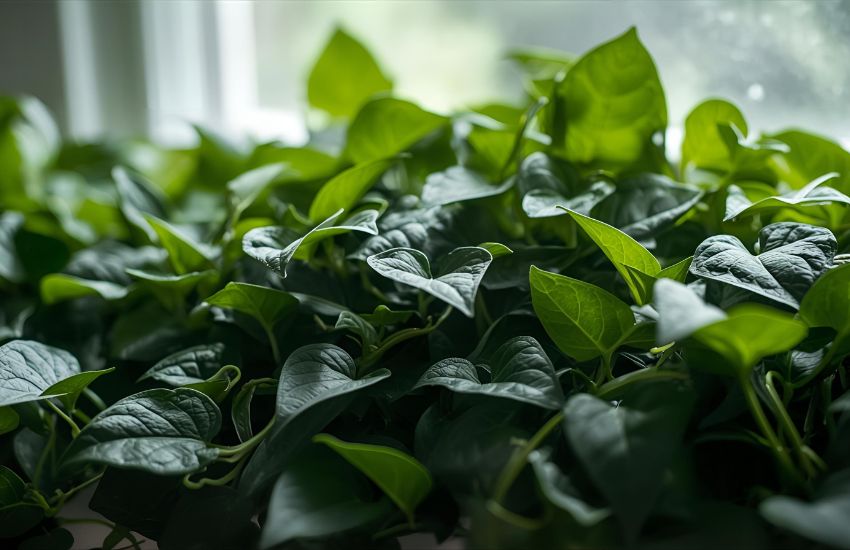
Growing English ivy indoors brings timeless charm and air-purifying benefits to your home, but maintaining its health requires thoughtful attention. Whether you’re nurturing trailing vines in hanging baskets or letting your ivy grow along a trellis, the right balance of ivy care especially watering is key to helping your plant thrive.
Understand How Ivy Prefers to Be Watered
Ivy prefers to be kept in evenly moist but not soggy soil. Water thoroughly, then allow the top inch of the soil to dry out before the next watering. Always use a container with a drainage hole to prevent standing water, which can lead to root rot. Be sure to avoid wetting the foliage when watering, as excessive moisture on leaves can attract pests like aphids and spider mites.
Choose the Right Light and Soil Conditions
For ivy to grow well, place it in indirect light or lower light conditions. English ivy prefers bright but filtered lighting and well-drained soil. Avoid direct sunlight, as it may scorch the green leaves or damage variegated ivy varieties. Use quality potting soil that drains efficiently to support healthy roots and new growth.
Seasonal Watering and Feeding
Water your ivy more frequently during the spring and summer when growth is active. In the cooler months, scale back watering and always test moisture levels by touching the soil surface. To further support your ivy’s vigor, feed your ivy once a month with a balanced liquid fertilizer during the growing season.
Prune and Inspect for Health
Regular pruning not only shapes your plant but also encourages fuller foliage and healthy aerial roots. Feel free to trim any leaf tips that appear brown or dry to keep your plant looking fresh. Keep an eye out for care questions such as fading leaves or sticky residue often early signs of pest problems.
Create the Ideal Indoor Environment
English ivy indoors thrives in moderate humidity, so consider misting lightly or placing the pot near a humidifier. This is especially helpful for variegated or unusually-shaped leaves, which are more sensitive. Place your new plant away from drafts or heat sources, and ensure the drainage hole isn’t blocked.
Conclusion
Mastering ivy care is all about creating the right indoor conditions and maintaining consistent attention to your plant’s basic needs. From choosing the right potting soil and ensuring well-drained containers to understanding how and when to water your ivy, each step supports long-term health. Remember, ivy prefers indirect light, steady humidity, and seasonal adjustments in watering and feeding. Whether you’re growing English ivy from a new plant or maintaining mature trailing vines, these smart practices will help your English ivy grow strong, vibrant, and pest-free.
As you continue your journey with ivy indoors, don’t forget that consistent pruning, light misting, and occasional checks for spider mites or aphids can make all the difference. With time, you’ll notice lush foliage, beautiful variegation, and a healthier plant overall.
Ready to take your English ivy indoors to the next level? Explore the full guide to learn how to propagate from cuttings, manage pests naturally, and encourage your ivy to grow with confidence. Let your space flourish keep your plant thriving the smart way.