
Finding the best plant prices for a Ficus Bonsai can save you both money and time while ensuring you bring home a healthy, beautiful indoor plant. If you’re exploring options for an indoor Ginseng Ficus, you’ll notice that prices can vary widely, ranging from around $25 for smaller medium-sized bonsai trees to $150 or more for mature specimens with thick trunks and fully developed foliage. Several factors influence these prices, including the plant’s age, trunk thickness, leaf density, root structure, and the quality of the pot it comes in. Seasonal demand and market trends also play a role, with prices often higher during festive or peak gardening seasons.
The price of a Ficus Bonsai, especially an indoor Ginseng Ficus, typically ranges from $25 for smaller, younger plants to $150 or more for mature specimens with thick trunks and dense foliage. Factors like plant size, trunk thickness, leaf density, and market trends influence the final price.
Understanding these factors helps you make cost-effective gardening decisions without compromising on quality. By focusing on affordable plants that are healthy and sustainably grown, you can enjoy both aesthetic value and long-term benefits. This guide will walk you through current market trends, tips for choosing indoor plants wisely, and strategies for making sustainable and cost-effective choices, ensuring your Ficus Bonsai purchase is both satisfying and practical.
Choosing Affordable Ficus Bonsai Trees for Sustainable Indoor Gardening
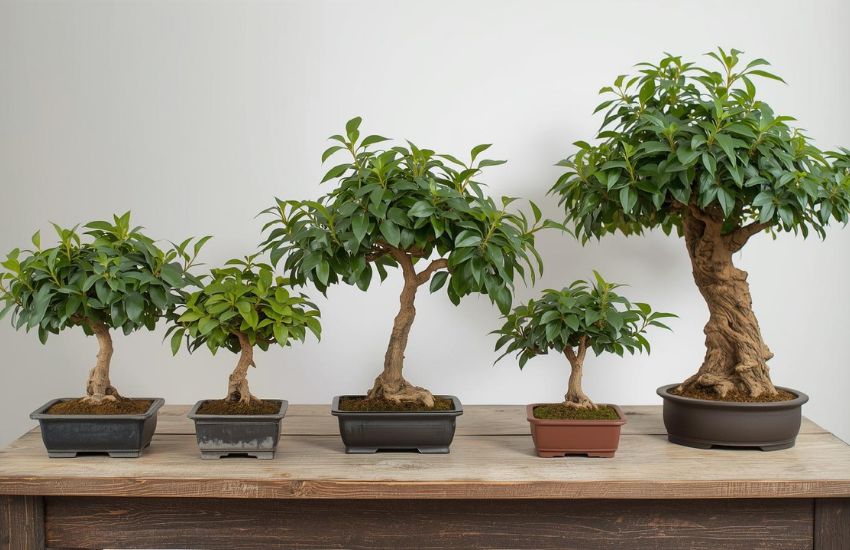
Selecting the right Ficus Bonsai for your indoor space involves balancing quality, aesthetics, and cost. When you aim for sustainable choices, understanding plant prices and market trends is essential. A healthy indoor Ficus Bonsai tree, such as a ginseng ficus, can enhance your environment while supporting cost-effective gardening practices.
Assessing Plant Prices for Indoor Bonsai Trees
Plant prices vary based on the Ficus Bonsai’s size, maturity, trunk thickness, and leaf density. Smaller or medium ginseng ficus bonsai trees are often more affordable plants, while mature specimens with a thick trunk and dense canopy naturally cost more. By comparing prices across sellers and paying attention to market trends, you can identify opportunities to secure high-quality bonsai trees without overspending.
Prioritizing Sustainable Choices
Choosing sustainably grown indoor plants ensures that your investment supports eco-friendly gardening practices. You can look for bonsai trees cultivated with minimal chemical fertilizers, responsibly sourced soil, and eco-conscious packaging. These choices not only benefit the environment but also encourage healthier growth for your Ficus Bonsai indoors.
Maximizing Value with Cost-effective Gardening
To make the most of your investment, focus on indoor bonsai trees that are resilient and easy to maintain. Specimen Ficus Bonsai, like mature ginseng ficus with a thick trunk, thrive indoors when provided with proper light and humidity. By selecting affordable plants that grow robustly year-round, you ensure both beauty and long-term value in your indoor gardening setup.
Conclusion
Understanding Ficus Bonsai plant prices is key to making smart and cost-effective gardening decisions. By considering factors such as plant size, trunk thickness, leaf density, and market trends, you can identify affordable plants that offer both beauty and long-term value. Prioritizing sustainably grown indoor plants, like ginseng ficus bonsai, ensures your investment supports eco-friendly practices while enhancing your indoor environment. Whether you choose a smaller, medium bonsai or a mature specimen with a thick trunk and dense foliage, focusing on quality and resilience allows you to enjoy a thriving indoor bonsai tree year-round. With careful planning and attention to plant prices, you can achieve a balance of aesthetics, affordability, and sustainable choices in your indoor gardening journey.
Frequently Asked Questions (Ficus Bonsai Plant Price Guide for Indoor Ginseng Ficus)
How much is a Ficus plant in Pakistan?
In Pakistan, a small basic Ficus plant can cost as little as around Rs. 80 to Rs. 400 for young outdoor varieties. Indoor or decorative types range from about Rs. 500 to Rs. 5,500, and large or bonsai Ficus plants can go up to Rs. 15,000‑22,500 or more.
What bonsai tree sold for $2 million?
The Ficus Bonsai tree sold for $2 million in 2006. This rare and meticulously cultivated tree, over 140 years old, was highly valued for its age, intricate design, and historical significance, making it one of the most expensive bonsai trees ever sold worldwide.
Can Ficus Ginseng grow indoors?
Yes, Ficus Ginseng can grow indoors. It thrives in bright, indirect light and prefers moderate humidity. With proper care regular watering, occasional pruning, and well-draining soil—it adapts well to indoor environments, making it a popular choice for homes and offices as an attractive, low-maintenance bonsai plant.
What is the rule of 3 in bonsai tree?
The Rule of 3 in bonsai design suggests placing three main elements trunk, branches, or trees in a composition to create balance and visual interest. This principle helps achieve harmony and natural aesthetics, guiding placement, proportion, and spacing for a pleasing, realistic miniature landscape.