
If your fiddle leaf fig isn’t thriving as expected, you may be wondering, “What’s wrong with my fiddle leaf fig?” As a beloved indoor plant, this striking houseplant can sometimes show signs of distress like brown spots, drooping leaves, or stunted growth. These issues can stem from a variety of factors, often related to improper care or environmental stress. Overwatering, poor soil drainage, inadequate light, or pests could all contribute to its struggles. The key to reviving your fiddle leaf fig lies in identifying the root cause of its problems.
Common issues with fiddle leaf figs include overwatering, poor drainage, insufficient light, root rot, pests, sunburn, and improper humidity. These factors can cause symptoms like brown spots, dropping leaves, and stunted growth. Identifying and addressing these problems ensures your fiddle leaf fig thrives indoors.
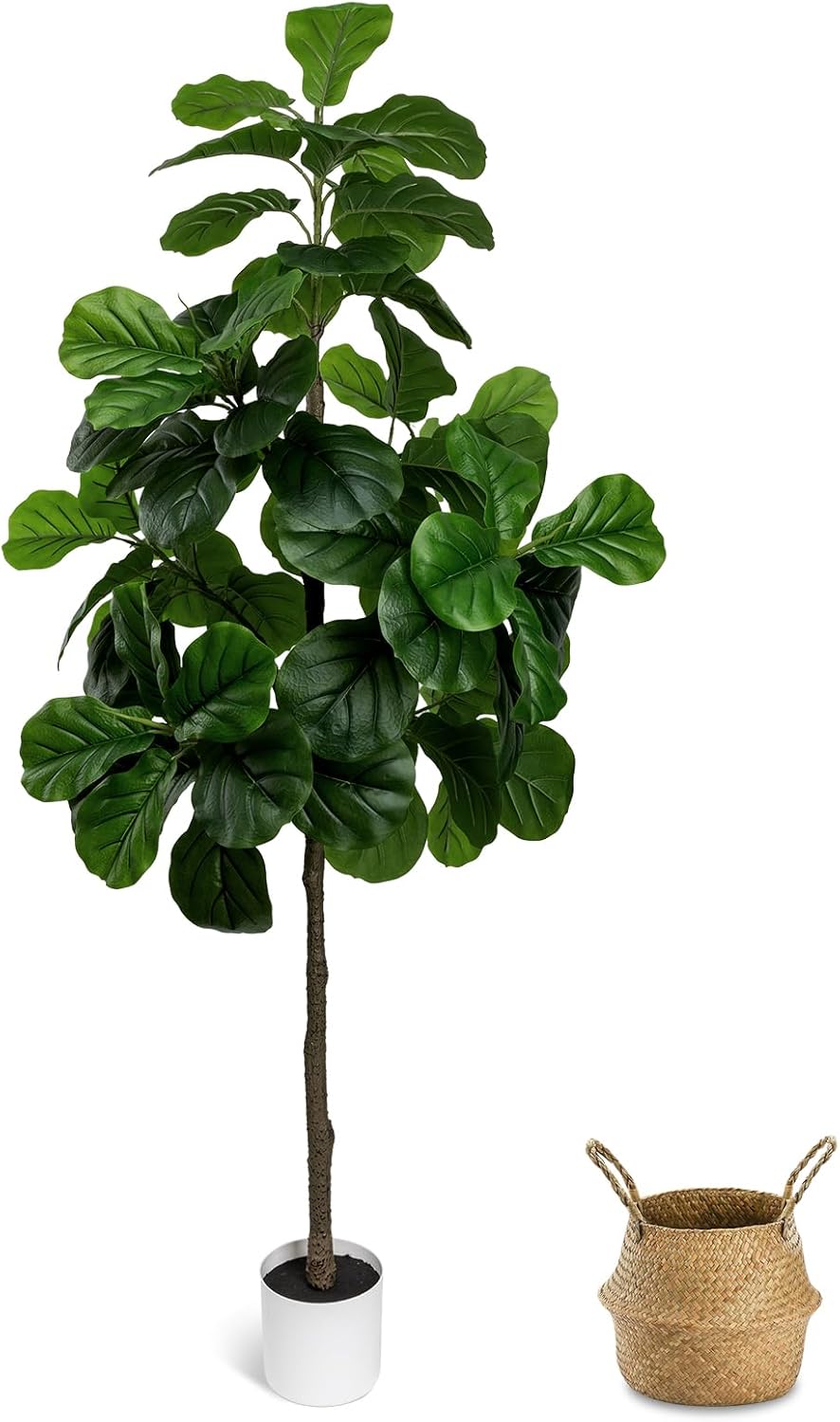
Realistic faux fiddle leaf fig tree with white planter and basket, perfect for indoor home, office, living room, and modern decor.
In this post, we’ll explore seven common indoor plant issues affecting your fiddle leaf fig, such as root rot, fungal infections, and improper watering techniques. You’ll also learn how to identify symptoms like dropping leaves or brown spots, and the steps you can take to restore the health of your plant. Expect practical advice on repotting, pruning, and ensuring your fiddle leaf fig receives the right balance of moisture, light, and care for new growth. With these tips, your fiddle will soon be on the path to recovery.
How to Encourage New Growth and Fix Root or Soil Problems
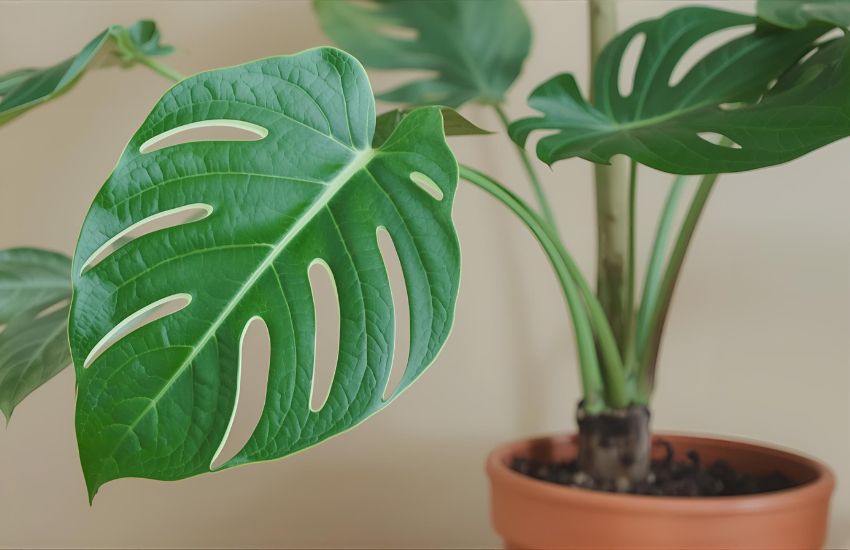
When your fiddle leaf fig isn’t thriving, one of the primary concerns is often related to its roots or soil. These issues can manifest in various ways, such as brown spots, drooping leaves, or slowed growth. Fortunately, with the right approach, you can address these problems and encourage your plant to grow healthy, new foliage. Here’s how to tackle root and soil-related problems and foster new growth.
Inspect the Roots for Damage or Rot
One of the first steps in diagnosing what’s wrong with your fiddle leaf fig is to inspect the roots. Carefully remove your plant from its pot and check the root ball. If you notice dark, mushy roots with a foul smell, your plant likely has root rot, often caused by overwatering or poor drainage. Trim away the affected roots with sterile scissors and repot your fiddle leaf fig into fresh, well-draining soil to avoid further damage.
Repot with Fresh, Well-Draining Soil
If your plant has root rot or the soil is compacted, it’s essential to repot your fiddle leaf fig. Choose a pot with drainage holes to prevent water from pooling at the bottom. Select fresh, sterile soil designed for indoor plants, which provides the right balance of aeration and moisture retention. This new soil will help your plant’s roots establish themselves and allow for healthy new growth. When repotting, ensure the root ball is not buried too deep in the soil to avoid water pooling around the roots.
Realistic 6FT artificial olive tree with planter and basket, featuring lush silk foliage, branches and fruits for home or office décor.
Adjust Your Watering Habits
Overwatering is one of the most common problems with fiddle leaf figs. Consistently wet soil can lead to root rot, while dry soil can cause leaf drop. To encourage healthy new growth, adjust your watering schedule to ensure that the soil dries out slightly between waterings. It’s essential to maintain a balance: too much water can suffocate the roots, while too little can stress the plant. Ensure your fiddle leaf fig is getting enough moisture, but make sure that excess water drains away properly.
Use the Right Fertilizer
Fiddle leaf figs need nutrients to thrive, and plant food can provide the necessary elements for new growth. Fertilize your plant during its active growing season (spring and summer) with a balanced liquid fertilizer. This will provide the necessary nutrients for your plant’s leaves and overall health. Be cautious not to over-fertilize, as this can burn the roots and hinder growth. During the fall and winter months, when the plant is dormant, reduce or stop fertilizing altogether.
Ensure Adequate Lighting
Fiddle leaf figs thrive in bright, indirect light. Insufficient light can cause your plant to become leggy or weak, while too much direct sunlight can lead to sunburn, evident as brown, crispy edges on the leaves. Place your plant near a window where it can receive plenty of natural light but is shielded from harsh midday sun. If the leaves of your plant are not growing as expected, it may need more light. Move it to a brighter spot to encourage new growth.
Check for Pests or Fungal Infections
Pests and fungal infections can quickly damage a fiddle leaf fig. If you notice sticky residues on the leaves or visible insects, your plant may have an infestation. Common pests such as aphids, mealybugs, or scale insects can be removed with neem oil or insecticidal soap. Fungal infections, which often cause brown spots or discoloration on the leaves, can be treated with an appropriate fungicide. Regularly inspect the plant’s foliage to catch any problems early before they spread.
Conclusion
In conclusion, keeping your fiddle leaf fig healthy and thriving requires understanding and addressing its unique needs. From inspecting the roots for signs of rot to adjusting your watering schedule and ensuring adequate light, each step plays a vital role in promoting new growth. Don’t forget to check for pests or fungal infections regularly, as they can quickly hinder your plant’s progress. By providing fresh, well-draining soil, using the right fertilizer, and maintaining proper humidity, you’ll help your fiddle leaf fig flourish indoors. With these practical tips and a little patience, your plant will soon be on the path to recovery and new, vibrant foliage.
Now, take action! Inspect your fiddle leaf fig today and make the necessary changes to ensure it thrives. Whether it’s repotting, adjusting your watering habits, or simply moving it to a brighter spot, every step counts. Your plant deserves the best care, so don’t wait start nurturing it now and watch it grow into the beautiful centerpiece you’ve always wanted!
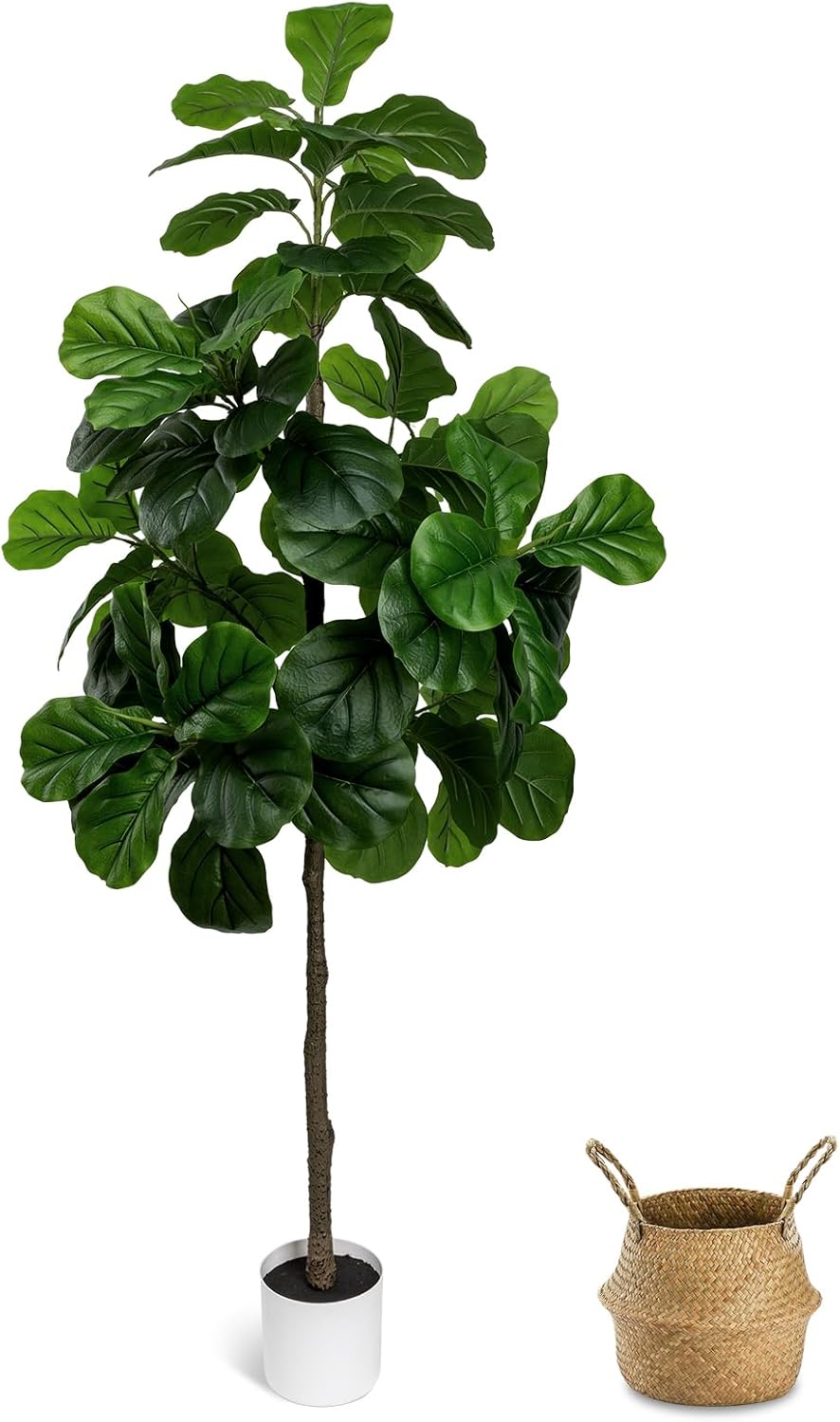
Realistic 6FT artificial fiddle leaf fig tree with white planter and basket, perfect for indoor home, office, and living room decor.