
Few houseplants combine elegance, resilience, and low-maintenance care as effectively as the golden hahnii snake plant. Known for its compact rosette of upright, green leaves edged in vibrant yellow, this Sansevieria trifasciata variety offers a striking addition to any indoor space. Whether you are seeking a small container for a desk or a medium pot to enhance a living area, the golden hahnii adapts well to both bright indirect light and low light conditions, making it an ideal choice for modern interiors.
To help your golden hahnii snake plant thrive, understanding the right water, soil, and light conditions is essential. Overwatering or exposing it to direct sunlight can cause yellowing leaves, while selecting the correct pot and maintaining adequate humidity ensures healthy growth. Its succulent-like foliage stores water efficiently, allowing it to endure brief dry periods, which makes it a practical and rewarding houseplant for beginners and seasoned plant lovers alike.
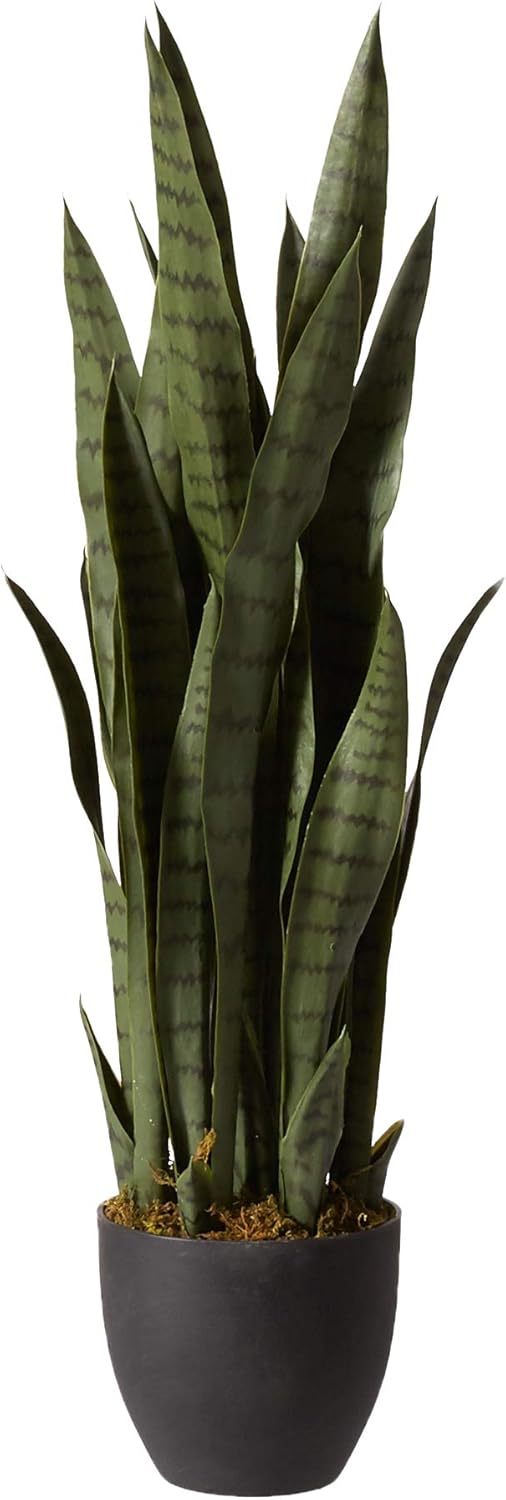
Realistic 35-inch artificial Sansevieria plant in black planter, offering maintenance-free greenery perfect for home, office, or interior decorative spaces.
In this guide, you will learn how to grow your golden hahnii snake plant successfully, from pot selection and watering techniques to optimal light and location strategies. We will also provide pricing insights and care recommendations, helping you choose the perfect Sansevieria trifasciata variety to enhance your space and enjoy long-lasting beauty.
How to Grow Your Snake Plant – Golden Hahnii Successfully
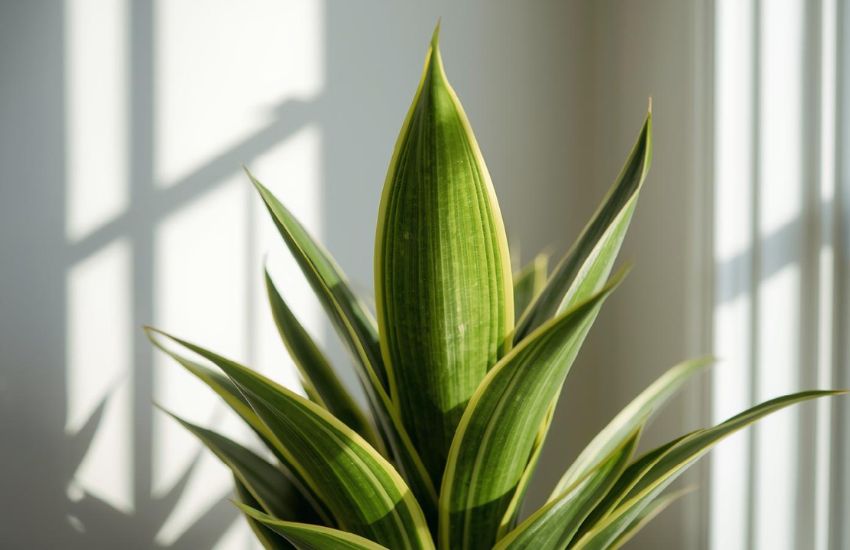
Growing a golden hahnii snake plant successfully requires understanding its unique characteristics and providing the right care. This dwarf variety is not only visually striking but also highly adaptable, making it an excellent choice for indoor spaces of any size.
Choosing the Right Location and Light
Your snake plant is adaptable, but it thrives best in medium to bright light. While it can tolerate lower light indoors, placing it in well-lit areas or brighter conditions will encourage faster growth and maintain its vibrant color. Leaves with dark green centers and light green edges will be more pronounced when exposed to the right light. Avoid direct sunlight, which can burn the foliage and create yellow margins or yellow edges.
Potting and Soil Considerations
Select a quality plant container with adequate drainage to prevent root rot. A well-draining soil mix is essential for maintaining healthy growth. The stem and roots need space to expand, so choose a pot that allows the plant to reach several inches tall without restriction. Refresh the top layer of soil with fresh medium every few months to support overall plant health.
Watering and Maintenance
As a drought-tolerant plant, the golden hahnii snake plant requires careful watering. Maintain a regular watering schedule but vary the frequency based on environmental conditions—less in winter and slightly more in warmer months. Thorough watering ensures that water reaches the roots without causing soggy soil. You should also prune damaged leaves to protect the plant’s appearance and encourage fresh growth.
Propagation and Growth Tips
You can propagate your snake plant through leaf cuttings or division, providing you with additional plants for your indoor space or to share with friends. Expect gradual growth in indoor settings, and monitor for yellow edges or yellow margins as signs of overwatering or stress. By providing proper light, water, and care, your golden hahnii snake plant will flourish, showcasing its unique rosette of green foliage with vibrant accents.
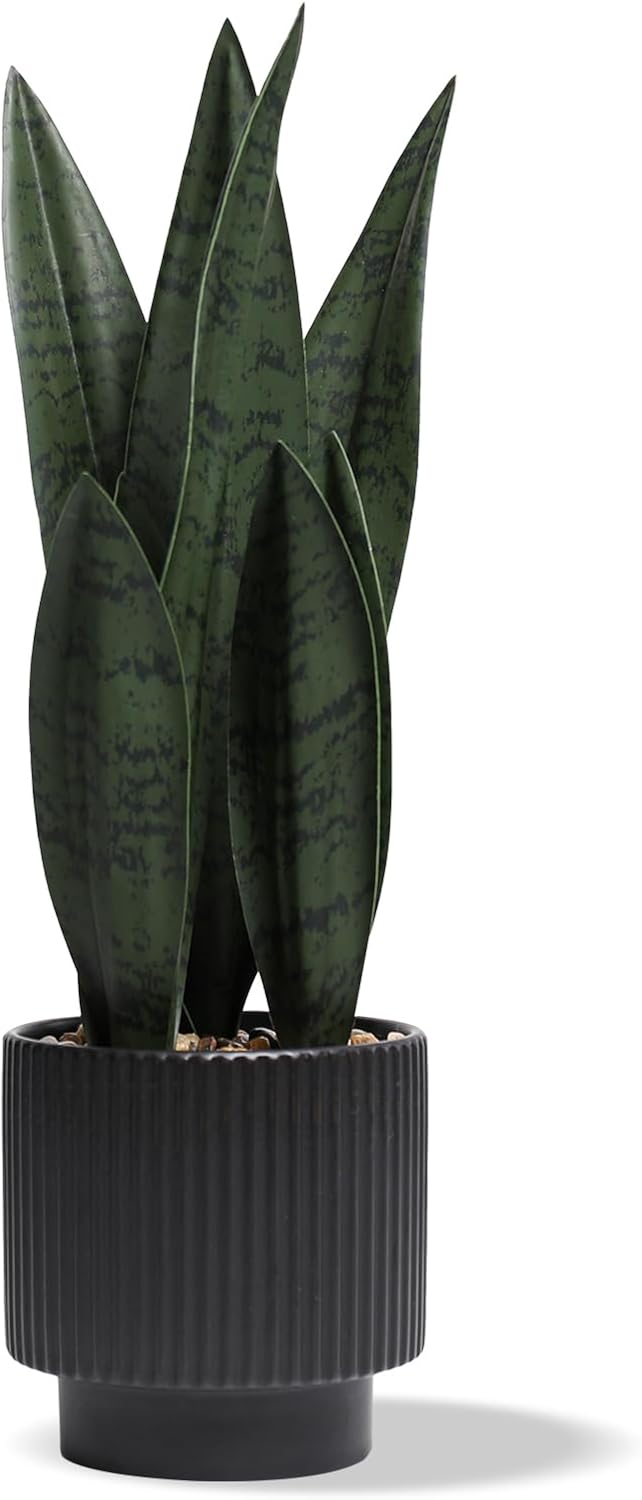
Realistic artificial Sansevieria snake plant in black ceramic pot, perfect for enhancing indoor spaces like living room, kitchen, bathroom, or farmhouse décor elegantly.
Conclusion
Caring for your golden hahnii snake plant requires attention to the right amount of light, watering schedule, and potting options. By understanding how this evergreen indoor houseplant performs in different conditions, you can ensure slow, steady growth while maintaining vibrant foliage. Applying proper care techniques and considering each factor—such as warm indoor temperatures, indirect versus direct sunlight, and container choice—will help your plant thrive and remain a striking feature in your home.
Every snake plant offers versatility as an option for any space, and even small adjustments in care can produce noticeable improvements in its health and appearance. With consistent attention, your golden hahnii snake plant will continue to grow beautifully, adding life, color, and calm to your indoor environment.
Don’t wait to elevate your indoor garden—explore our curated selection of quality golden hahnii snake plants today and bring home a plant that will perform, flourish, and captivate in every room.
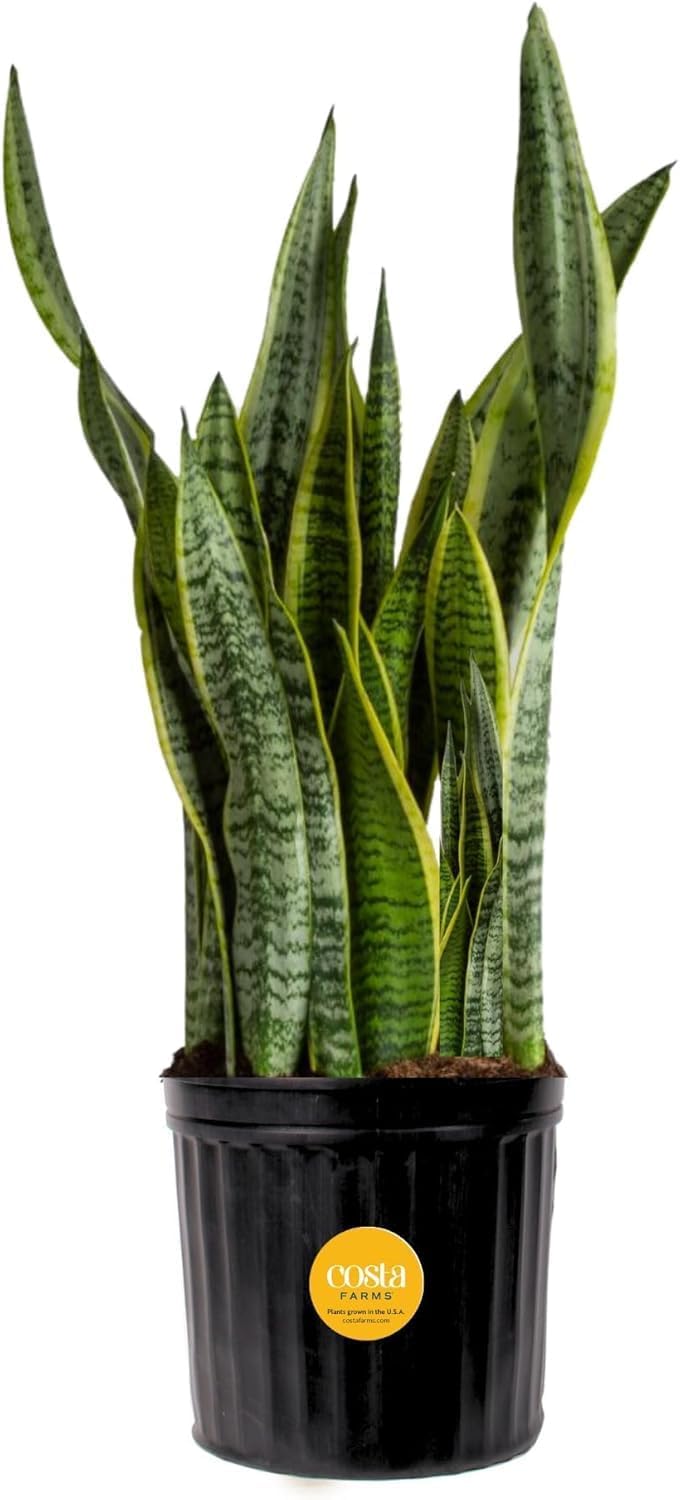
Costa Farms live snake plant in plastic pot, easy care indoor succulent, air purifying houseplant ideal for home, office decor and gifting, 2-3 feet tall.
Frequently Asked Questions (Snake Plant – Golden Hahnii Care and Pricing Guide for Sansevieria Lovers)
How do you take care of a Hahnii snake plant?
To care for a Hahnii snake plant, place it in bright, indirect light, though it tolerates low light. Use well-draining soil and a pot with drainage holes. Water sparingly, allowing soil to dry between waterings, and avoid overwatering to prevent root rot.
How do you take care of a golden snake plant?
To care for a golden snake plant, provide bright, indirect light to enhance its yellow-edged leaves. Use well-draining soil and a pot with drainage holes. Water sparingly, allowing the soil to dry between waterings. Avoid cold drafts and overwatering to keep the plant healthy and vibrant.
How tall does golden Hahnii get?
Golden Hahnii is a compact snake plant variety that typically grows 6 to 9 inches tall. Its short, rosette-shaped leaves with yellow edges make it ideal for small pots, tabletops, or shelves. Slow-growing and low-maintenance, it remains manageable while providing decorative indoor greenery.
Where is the best place to put a snake plant in your house?
The best place for a snake plant is in bright, indirect light, such as near a window with filtered sunlight. It also tolerates low-light areas like hallways or corners. Avoid direct harsh sunlight, and ensure good air circulation while keeping it away from cold drafts.