
That soft blend of green and cream you keep noticing signals more than decoration; it points to a plant with lasting value and character. The Rubber Plant Variegated Ficus Tineke, a refined form of ficus elastica, stands out among rubber plants as a reliable houseplant admired for structured growth and elegant foliage. Originating from southeast asia and commonly sourced from a trusted nursery, its natural variegation offers visual interest while remaining calm and balanced for indoor spaces.
When you care for rubber plants such as Ficus Tineke, results depend on thoughtful routine. You choose a stable pot that supports roots for this houseplant, manage water with care, and avoid extremes. Placement in indirect light keeps colors strong, while limiting direct sunlight protects the leaves. Consistent humidity encourages steady growth, and each new leaf shows how well water habits are maintained. During the growing season, a mild fertilizer supports healthy development for both a home grower and a style-conscious owner.
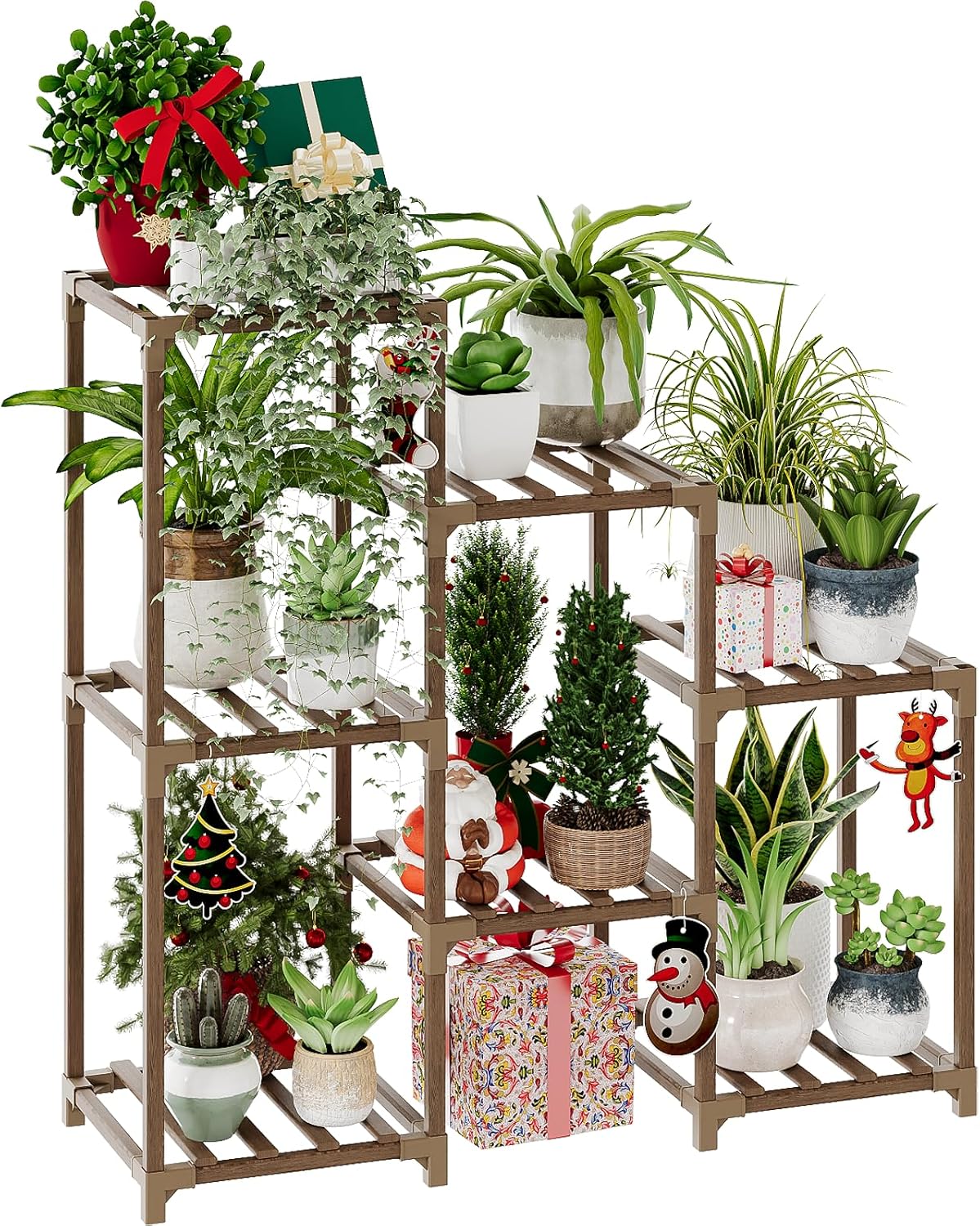
Stylish Bamworld 3-tier wooden plant stand for indoor and outdoor use, ideal for organizing multiple plants and enhancing living room or patio décor.
Ahead, you will discover how ficus elastica responds to water schedules, how to select the right pot, and why rubber plants adapt so well indoors. You will also learn placement strategies, seasonal care, and smart buying tips from a reliable nursery, with clear guidance on maintaining vibrant foliage.
Variegated Rubber Plant Care Guide for Ficus Tineke Houseplant Growth
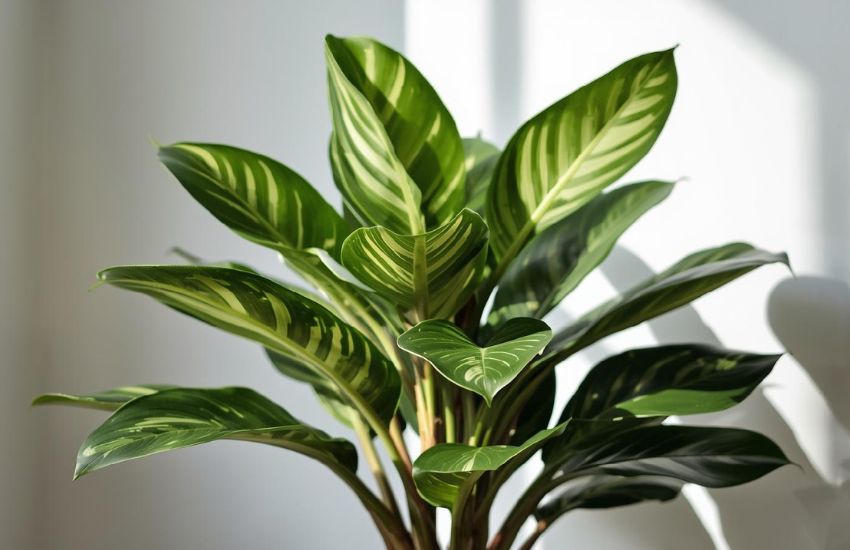
Understanding the Growth Habit of Ficus Tineke
The tineke rubber tree, also known as ‘tineke’, is valued for its calm structure and dependable performance as an indoor plant. Its variegated foliage displays a balanced hue of cream, green, and soft pink tones that remain stable when conditions are right. For plant enthusiasts, this variety offers controlled new growth without aggressive spreading, making it suitable for living rooms, offices, and enclosed patios.
Light and Placement for Consistent Results
You support healthy condition by placing the plant in bright indirect light. Stable light conditions preserve variegated leaves and prevent stress. Excess exposure can burn the leaves, while poor lighting may cause leaf loss. Avoid harsh sun near windows, especially during peak hours, and rotate the plant occasionally for even exposure.
Watering and Soil Requirements
Use a well-draining potting mix to prevent root rot, as excess moisture is the most common issue. A well-draining potting mix supports roots and airflow, helping the plant adapt smoothly during its active growing season. Water only when the top soil dries slightly, and reduce frequency during the winter months.
Repotting and Seasonal Care
Spring and summer mark the ideal time to repot, especially when roots fill the container or drainage slows. Knowing when it is time to repot allows you to refresh soil nutrients and encourage balanced structure. Repot carefully to avoid stress, particularly for a new plant adjusting to indoor conditions.

Digital 4-in-1 plant care meter measures soil moisture, temperature, pH, and sunlight intensity with LCD backlight for gardening, farming, outdoor plants.
Safety, Maintenance, and Responsible Buying
This plant is mildly toxic to cats and other pets, so placement should consider safety. Mildly toxic sap may irritate if ingested, and brown spots can signal overwatering or cold drafts. If you seek a variegated rubber tree at affordable options, many nurseries offer rubber tree at affordable prices. Reputable sources such as arbor day tree nursery often offer popular indoor trees, patio trees from the arbor, and trees from the arbor day that support tree dedication programs and help trees in forests in need. With thoughtful plant care, you can keep your variegated rubber tree thriving for years.
Conclusion
With consistent care, the variegated rubber plant becomes a long-term investment in beauty and balance. Its unique foliage in green and cream reflects a refined look that works as a true statement piece, while being native to southeast asia and valued as an air-purifying choice for modern interiors. You achieve best results by following a clear watering schedule, allowing the soil to remain well draining and checking moisture at the bottom of the pot. Place it in filtered sunlight, maintain steady room temperatures, and adjust waterings as seasons change.
During cooler months, give less water and water less overall to avoid stress. Always avoid consumption, as pests like mealybug can appear if care slips. This plant can grow to heights over time and is available in a variety of sizes. Now is the moment to choose your plant, refine your routine, and add this elegant form to your space with confidence.
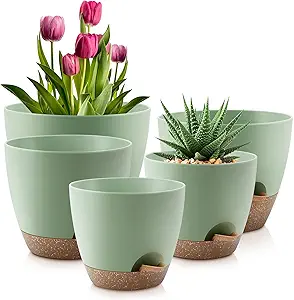
Set of 5 durable green self-watering plastic plant pots in multiple sizes (10/9/8/7.5/7) with drainage holes and saucers for indoor and outdoor gardening use.
Frequently Asked Questions (Rubber Plant Variegated Ficus Tineke Variegated Rubber Tree Houseplant)
How do you care for a variegated rubber plant indoors?
A variegated rubber plant thrives indoors in bright, indirect light to maintain leaf color. Water when the top inch of soil feels dry, using well-draining soil. Keep temperatures warm, humidity moderate, and wipe leaves regularly to support healthy growth and shine.
How do you take care of a Tineke rubber plant?
Care for a Tineke rubber plant by placing it in bright, indirect light to keep variegation strong. Water when the top soil dries out, using well-draining soil. Maintain average humidity, wipe leaves regularly, and avoid cold drafts or overwatering during active growing seasons.
Is a Ficus Tineke an indoor plant?
Yes, a Ficus Tineke is an indoor plant. It grows well inside homes and offices when placed in bright, indirect light. With proper watering, stable temperatures, and good airflow, it stays healthy and adds attractive variegated foliage to indoor spaces.
Where is the best place to put a rubber plant in the house?
Place a rubber plant near a bright window with indirect light, such as an east or south facing room with sheer curtains. Keep it away from direct sun, cold drafts, and heaters. A warm, stable spot helps it grow evenly and maintain healthy leaves.