
You might be searching for a green plant that looks elegant, stays compact and handles daily care without stress. A peperomia fits that need well, especially if you prefer a houseplant that adapts easily to indoor conditions. Its thick leaf structure and tidy shape make it a reliable choice when you want something sturdy yet attractive. The popular peperomia obtusifolia is known for its glossy foliage and its ability to grow in bright indirect light while still tolerating low light areas of your space.
This plant responds well when you allow the soil to dry slightly between each water cycle, much like a cactus mix would. It stays healthy in a pot with well-draining soil, and its green foliage holds up even if your routine is busy. The leaf color stays fresh as long as the medium stays balanced, never soggy. It remains pet-friendly and rarely produces a noticeable flower.
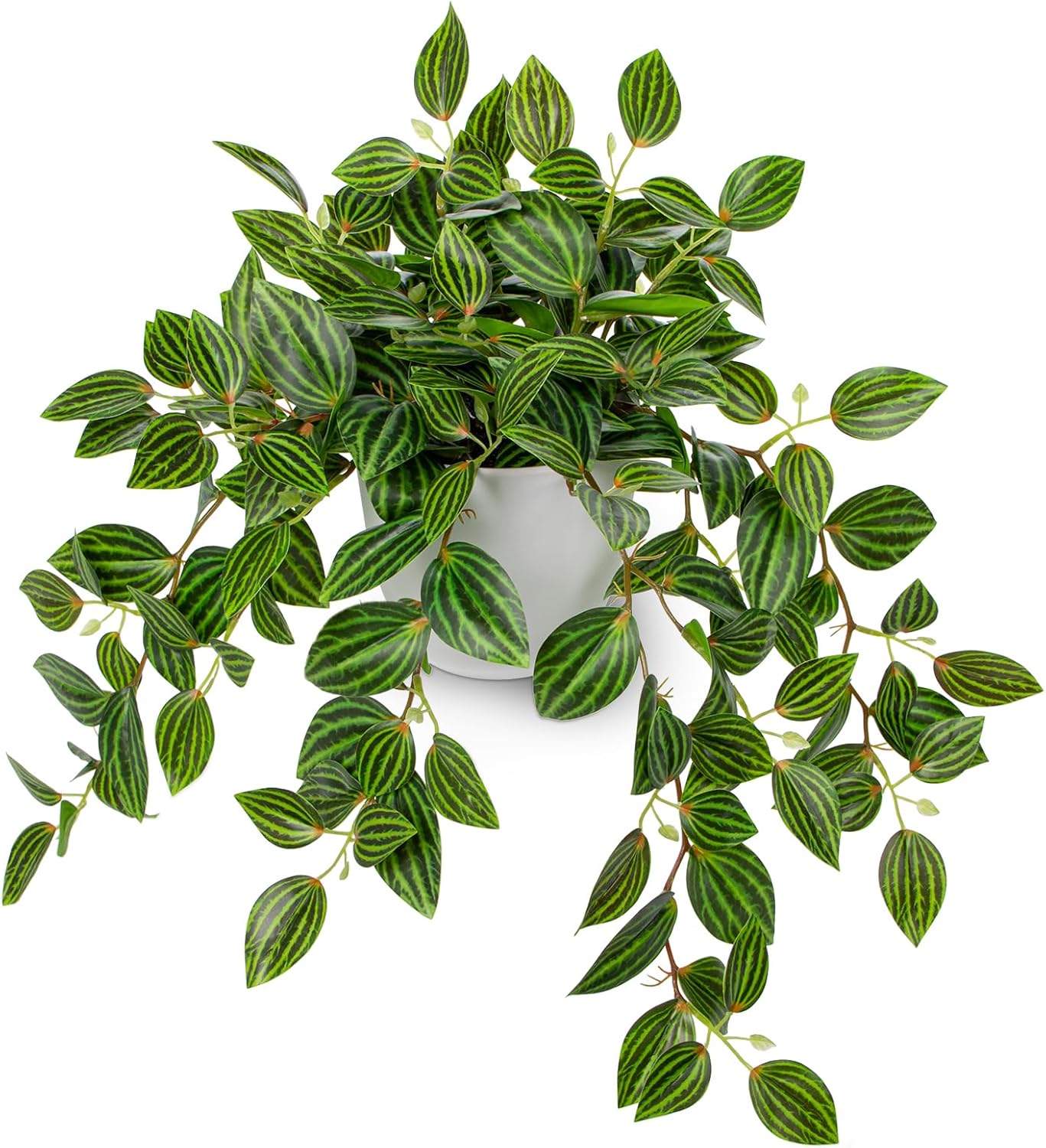
Realistic artificial watermelon peperomia plant in a stylish pot, perfect for home, office, bathroom, or shelf décor, adding greenery without maintenance or watering needs.
In this guide, you will learn how to care for different peperomia varieties, identify the right light needs, manage soil and water habits, keep the sill setup practical and understand how to help your plant grow with confidence.
Peperomia Green Plant Guide: Low Maintenance for Healthy Green Leaves
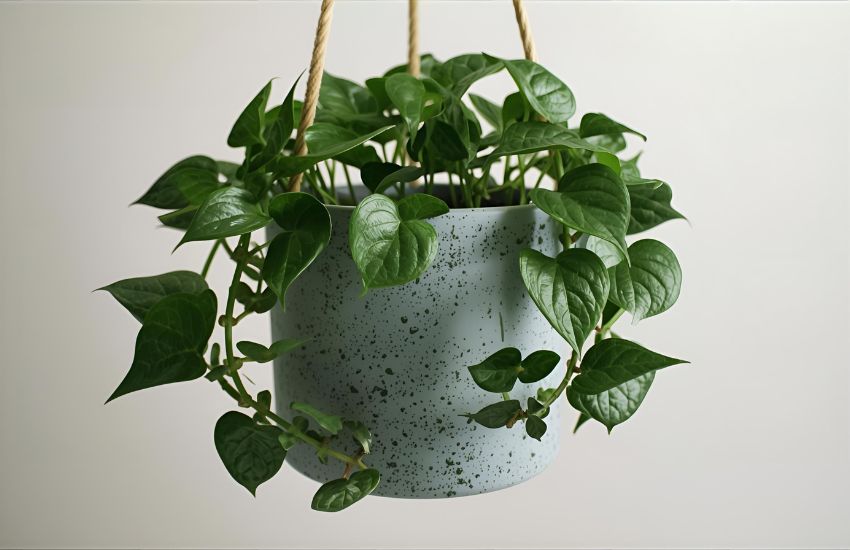
Peperomia plants offer a simple and reliable way to enjoy healthy green leaves without demanding constant attention. Their semi-succulent nature allows them to store moisture, making them a safe and steady choice if you want low maintenance care that fits easily into your routine. These plants perform well in medium light, where their waxy foliage can thrive without risk of scorching. Their adaptable structure supports a variety of plant care styles, whether your space receives filtered daylight or softer indoor lighting.
Watering stays straightforward because their succulent-like tissues help regulate moisture on their own. You only need to let the soil dry slightly before adding water again, which protects the roots and encourages balanced growth. They remain versatile across different seasons, responding well to weekly or biweekly watering depending on your environment.
Ready-to-use neem oil plant spray blended with natural essential oils, designed for indoor and outdoor plants, gardens, and houseplant care support.
Repotting is rarely urgent, as the roots stay compact and manageable. When you want to expand your collection, you can propagate them from leaf or stem cuttings that root easily. Their pet-friendly nature also makes them suitable for homes where safety is important. If you want a plant that remains attractive with minimal effort, this low maintenance option gives you dependable beauty and long-lasting resilience.
Peperomia Obtusifolia Features: Beautiful Tropical Houseplant Care Tips
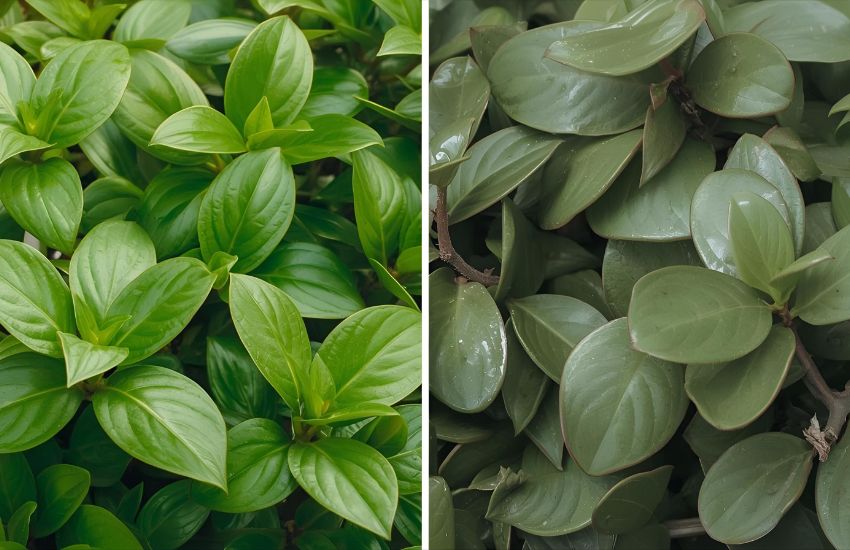
Peperomia obtusifolia brings a fresh tropical charm to your space with its compact shape and naturally glossy foliage. When you keep the plant healthy through consistent habits, it grows steadily without overwhelming your routine. Its non-toxic nature and air purifying qualities make it a thoughtful choice for homes where safety and comfort matter.
Light and Placement
This plant performs best in bright rooms but should be kept away from direct sun, which can cause its leaves to fade. You can keep it indoors throughout the year, as it responds well to stable temperatures and moderate humidity. Proper placement helps prevent stress and supports long-term resilience.
Watering and Moisture Control
To maintain a healthy root system, allow the top layer of soil to dry out between waterings. This prevents excess moisture and reduces the risk of damage. A well-draining potting mix ensures that water moves freely, which is essential for a tropical plant that prefers gentle hydration rather than constant dampness.
Growth, Feeding and Flowering
During the growing season, you may fertilize lightly to support steady development. The plant stays naturally compact, so pruning remains minimal. If flower spikes appear, you may keep them or remove them depending on your preference, as they do not affect the plant’s ability to stay healthy. The small bloom structures are subtle and require no extra attention.
A Reliable Indoor Companion
Peperomia obtusifolia adapts smoothly to indoor living because it asks for simple care and remains visually appealing with very little effort. When you provide balanced light, thoughtful watering and mild humidity, it rewards you with lasting color and dependable growth.
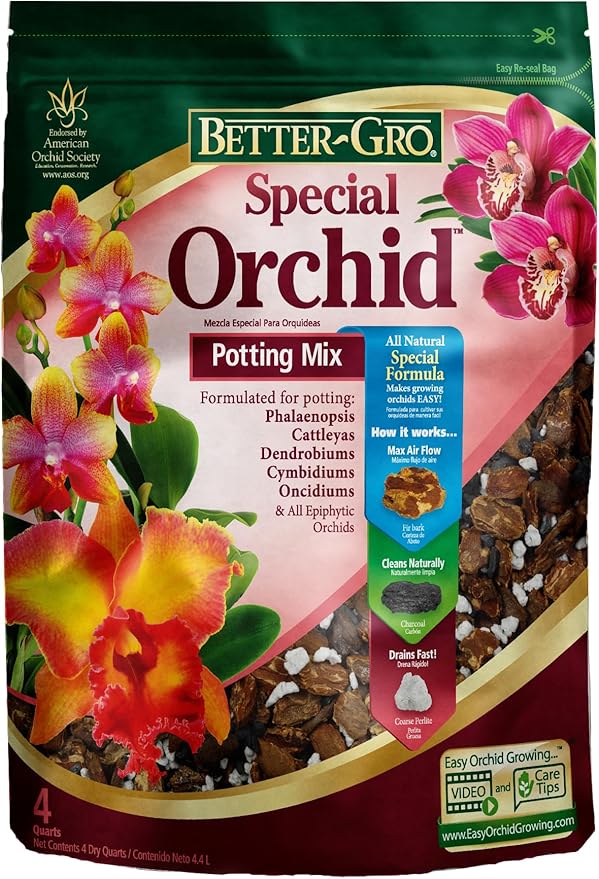
Premium orchid bark mix ensures excellent drainage, airflow, and root health for repotting Phalaenopsis, Cattleyas, and Dendrobium orchids indoors or outdoors.
Conclusion
Caring for your peperomia is a simple, steady process once you understand its rhythm. When you give it balanced light, thoughtful watering and the right soil structure, it stays strong and vibrant. If you ever notice yellow leaves, it is often a sign of overwatering, so adjusting your routine will help the plant recover quickly. With a little consistency, your plant remains compact, healthy and visually appealing throughout the year.
If you’re ready to grow a collection that feels effortless and rewarding, take the next step and explore more guides, compare varieties and choose the peperomia that suits your style best. Your indoor garden deserves that attention—start today and enjoy the difference.
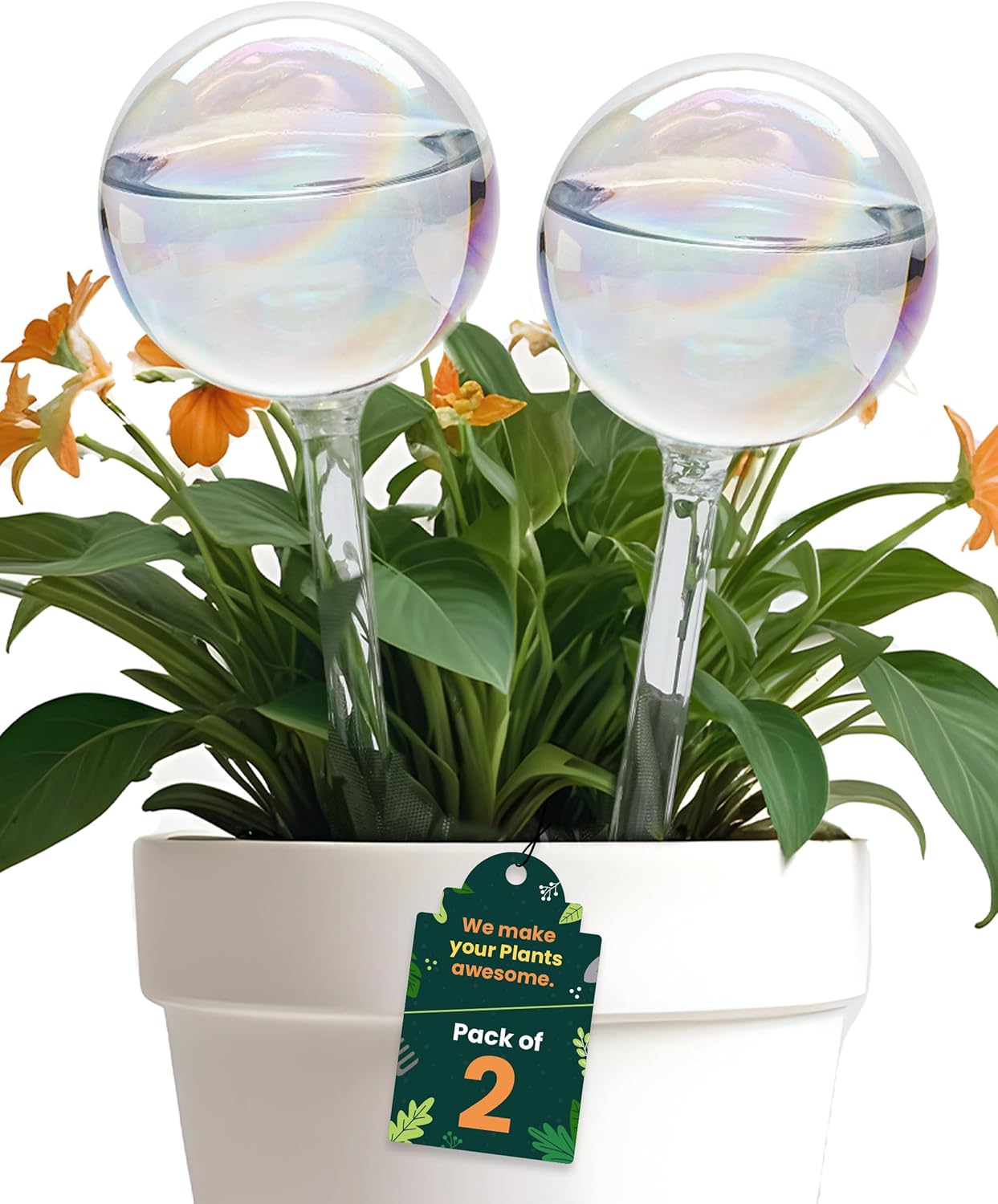
Decorative iridescent glass self-watering globes provide automatic hydration for indoor plants, ensuring consistent moisture supply, reducing maintenance, and enhancing home and office decor.
Frequently Asked Questions (Peperomia Green Plant Care: Baby Rubber Plant and Leaves Guide)
How to care for a baby rubber plant?
Place your baby rubber plant in bright, indirect light and keep the soil lightly moist, allowing the top inch to dry between waterings. Maintain warm temperatures and high humidity, avoid drafts, and prune occasionally to encourage growth. Fertilize monthly during the growing season.
How to care for rubber plant leaves?
To care for rubber plant leaves, regularly dust them with a soft cloth to allow proper photosynthesis. Keep leaves away from direct sunlight to prevent scorching. Maintain consistent moisture without overwatering, and occasionally wipe with a damp cloth or mild soapy water to remove pests and buildup.
Does a baby rubber plant need sunlight?
Yes, a baby rubber plant needs bright, indirect sunlight to grow well. Direct sunlight can scorch its tender leaves, while too little light slows growth. Placing it near a north- or east-facing window ensures it gets gentle, filtered light without damage.
What are the benefits of baby rubber plant?
A baby rubber plant offers air-purifying benefits, removing toxins and improving indoor air quality. It adds aesthetic appeal with its glossy, vibrant leaves, promotes a calming environment, and is low-maintenance, making it ideal for homes or offices. It also supports mental well-being and focus.