
Is your beloved plant starting to droop, look dull, or shed its vibrant leaves? It’s a common struggle and knowing whether you’re dealing with overwatering or underwatering can be surprisingly tricky. Many symptoms overlap, but understanding the subtle differences can mean the survival of your houseplant. You might be trying your best to water your plant regularly, yet it may still be suffering. The key lies in recognizing what your plant needs and responding appropriately.
If your plant has yellow leaves, mushy stems, or soggy soil, it’s likely suffering from overwatering. On the other hand, wilted, crispy leaves and dry soil point to underwatering. Always check the soil and ensure proper drainage to meet your plant’s needs.
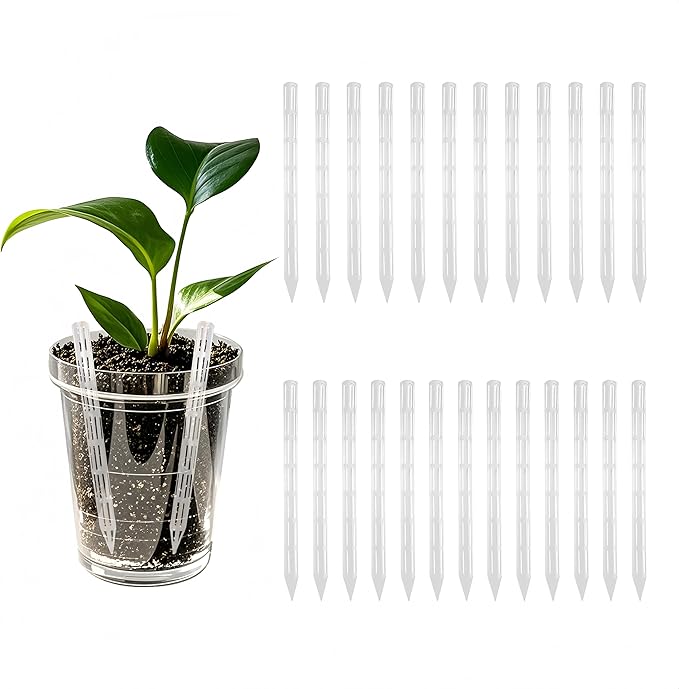
Potted plant root aeration tubes improve oxygen flow, prevent root rot and overwatering, supporting healthy growth in all flower pots, 9.8-inch universal size.
One critical sign of overwatering is the presence of mushy stems or yellow leaves, often paired with a lingering dampness in the pot. In contrast, an underwatering issue might reveal itself through wilt, brittle leaves, or dry soil. If your plant is overwatered, it could be heading toward root rot, especially if the drainage is poor or the soil moisture is consistently high.
In this blog, you’ll learn how to check the soil, assess your watering schedule, and identify whether your indoor plant is overwatered or underwatered. From spotting early signs to adjusting your care routine, this guide will help you bring clarity to your plant care and revive your stressed houseplant with confidence.
Spot the Signs of Overwatering: Mushy Stems and Wet Soil
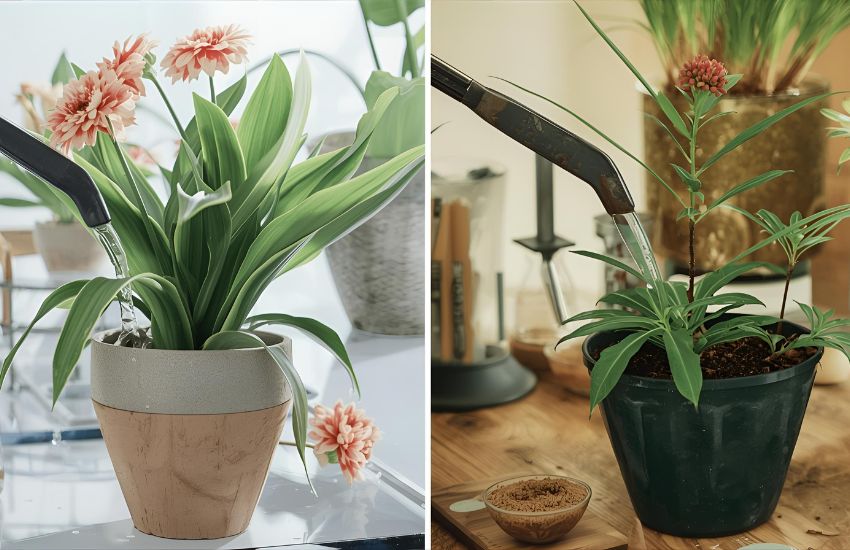
One of the first signs that your plant is overwatered or underwatered is a noticeable change in the texture and appearance of its stems and leaves. If the stems near the base of the plant feel soft or mushy, and the soil is staying wet for too long, it likely indicates overwatering. This condition deprives the roots of the oxygen they need, often leading to root rot a silent threat that can quickly kill your house plant if left unchecked.
Mushy Stems: What They Mean
When the leaves feel limp and the base of the plant is soft to the touch, it’s time to take a closer look. These are classic signs due to overwatering, where excess water sits in the soil and suffocates the roots. Depending on the type of plant, some may tolerate more moisture than others, but most plants like slightly dry soil between waterings.
Wet Soil That Won’t Dry Out
If the top of the soil and the layer just beneath never feel dry, even after several days, you’re likely dealing with too much water. Always check the soil moisture by inserting your finger into the soil up to an inch. If the soil feels soggy or cold, and there’s no visible drying on the soil surface, you need to adjust your watering. Make sure your container has a proper drainage system at the bottom of the pot to let excess moisture escape.
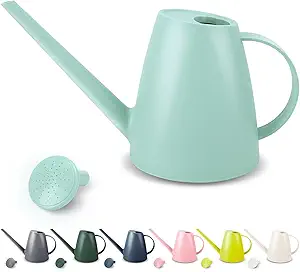
Durable 1.8L green watering can with long spout ensures precise, easy watering for indoor and outdoor garden, flower, and houseplants.
How to Respond
Before you water a plant, especially an indoor plant, always test the soil moisture. Let the soil dry out properly before the next watering cycle, particularly near the roots where moisture tends to linger. Knowing whether a plant needs water or not starts by understanding your plant species and learning how to always check the soil before watering.
Unlike underwatered plants, which recover quickly when hydrated, overwatering can cause lasting damage. That’s why understanding the difference between overwatering vs signs of underwatering is crucial in effective indoor plant care.
By knowing your plant and observing whether the soil is dry, the leaves can be a sign, or whether the plant is wilting, you can confidently care for your greenery. And remember watering your houseplants less frequently is often better than too often.
Conclusion
Understanding whether your plant is overwatered or underwatered is essential for successful indoor plant care. By recognizing early signs such as mushy stems, wet soil, or wilted leaves, and by always checking the soil moisture before watering, you can avoid common pitfalls and help your house plant thrive. Remember, watering your houseplants with the right balance not too much or too little will ensure your plants receive what they truly need.
Take the time to know your plant and its unique plant’s watering needs. Adjust your watering routine based on what the soil and leaves tell you. This awareness will prevent damage caused by overwatering vs underwatering and help you maintain a healthy, vibrant indoor garden.
Ready to give your plants the care they deserve? Start today by testing the soil before your next watering and observe your plants closely. Your commitment to attentive plant care will make all the difference—so take action now and watch your indoor plants flourish!
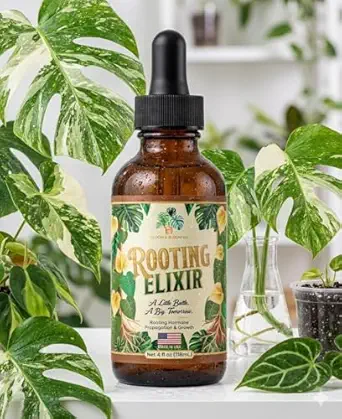
Powerful IBA-based rooting elixir designed to enhance propagation success, promoting fast, healthy root development for cuttings of Monstera, Philodendron, Anthurium, and Fiddle Leaf Fig.